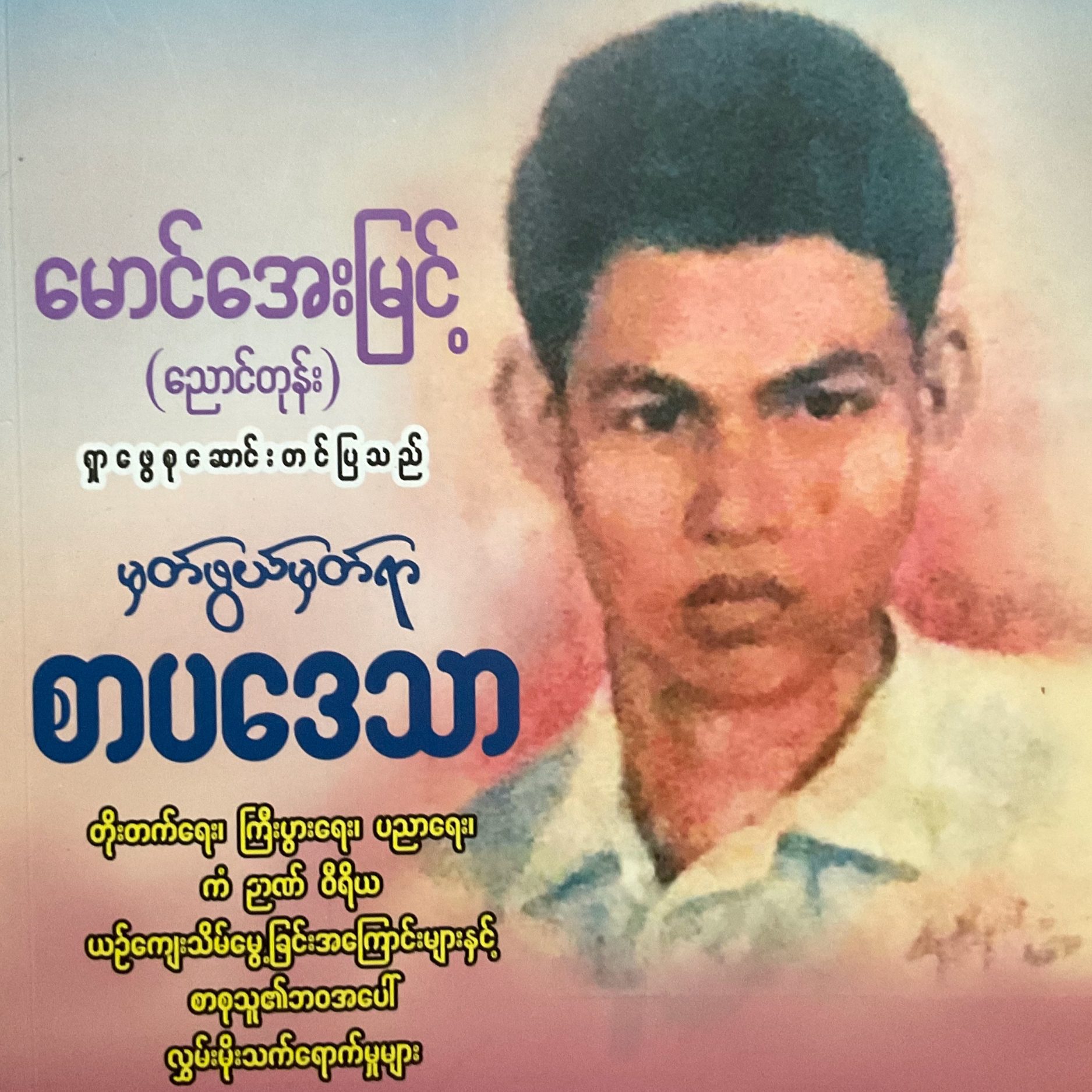

ပျူလူမျိုးတ္ရေဲ့ အံ့မခန်း မေအောက်ရေသွယိနည်းပညာနဲ့
စန်လင်းမြို့ရဲ့ နိဂုံး
ရှေးပျူလူမျိုးတွေဟာ မိုးခေါင်ရေရှားတဲ့ အညာဒေသမှာ အဆင့်မြင့် ရေသွယ်နည်းပညာနဲ့ အံ့မခန်းမြို့ပြကြီးကို ဘယ်လိုတည်ဆောက်ခဲ့သလဲ? သဲမြေအောက်မှာ နှစ်ပေါင်းထောင်ချီ မြှုပ်နှံထားတဲ့ ဟန်လင်းမြို့ဟောင်းရဲ့ လျှို့ဝှက်ချက်တွေကို အခုပဲ ရှာဖွေကြည့်လိုက်ပါ။
UNESCO ကမ္ဘာ့အမွေအနှစ်စာရင်းဝင် ဟန်လင်းမြို့ဟောင်းဟာ ပျူယဉ်ကျေးမှုမြို့တွေထဲမှာ အကြီးဆုံးနဲ့ အဆန်းကြယ်ဆုံးဖြစ်ပါတယ်။ ဒီဗီဒီယိုမှာ ပျူအင်ဂျင်နီယာတွေရဲ့ Gravity flow စနစ်၊ မြေအောက်ရေစီမံခန့်ခွဲမှုနဲ့ ရေပူစမ်းတွေကို အသုံးချခဲ့တဲ့ ထူးခြားလှတဲ့ ဟိုက်ဒရောလစ်နည်းပညာအကြောင်းကို အသေးစိတ် တင်ပြထားပါတယ်။
ဒါ့အပြင် ဟန်လင်းမြို့ကြီး ဘာကြောင့် မီးလောင်ပျက်စီးခဲ့ရသလဲဆိုတဲ့ ပဟေဠိကိုလည်း ရှေးဟောင်းသုတေသန တူးဖော်မှုတွေ၊ မီးလောင်ကျွမ်းထားတဲ့ သစ်သားတံခါးမကြီးတွေနဲ့ ပြာလွှာတွေကတစ်ဆင့် ခွဲခြမ်းစိတ်ဖြာထားပါတယ်။ ခေတ်သစ် Radiocarbon dating နည်းပညာအရ တွေ့ရှိချက်တွေက မြို့ပြကြီးရဲ့ နိဂုံးအကြောင်း ဘယ်လိုသက်သေပြနေသလဲဆိုတာကို ကြည့်ရှုရမှာပါ။
ပျူလူမျိုးတွေ ရုတ်တရက် အစအနပျောက်ကွယ်သွားရတဲ့ အကြောင်းရင်းဟာ စစ်ပွဲတွေကြောင့်လား၊ ဒါမှမဟုတ် ရာသီဥတုပြောင်းလဲမှုကြောင့်လားဆိုတာကို သမိုင်းအထောက်အထားများစွာနဲ့ တင်ဆက်ထားပါတယ်။
ဗီဒီယိုကို ကြိုက်နှစ်သက်တယ်ဆိုရင် Like လုပ်ပေးပြီး၊ နောက်ထပ် သမိုင်းဝင် လျှို့ဝှက်ချက်တွေကို သိရှိနိုင်ဖို့ Channel ကို Subscribe လုပ်ထားကြပါဦး။
HanlinCity #PyuKingdom #MyanmarHistory #AncientTechnology #Archaeology #UNESCOWorldHeritage #ဟန်လင်းမြို့ဟောင်း #ပျူလူမျိုး #မြန်မာ့သမိုင်း #HydraulicEngineering #LostCivilization #HistoryDocumentary #AncientMyan
https://youtu.be/qNCgKtBj6I4?is=2oUuz4yhT58yK1YY
ပျူခေတ်ရေစီမံမှု
https://youtu.be/10FSIiNE2zA?is=Tq7LRjpnLaswYIoD
ဟန်လင်း၊ ဗိဿနိုးနဲ့ သရေခေတ္တရာတို့ဟာ ရှေးမြန်မာ့သမိုင်းမှာ အရေးကြီးတဲ့ ပျူမြို့ဟောင်းကြီးများ ဖြစ်ပါတယ်။ ဒီမြို့တွေဟာ ရေရှားနိုင်တဲ့ မြစ်ဝှမ်းဒေသမှာ တည်ရှိခဲ့ပေမယ့် ရေကန်၊ ရေမြောင်း၊ တာတမံ၊ မြို့ကျုံးနဲ့ ရာသီအလိုက် ချောင်းရေတွေကို စနစ်တကျ အသုံးချပြီး လူနေမှုနဲ့ စိုက်ပျိုးရေးကို ထောက်ပံ့နိုင်ခဲ့ကြပါတယ်။
ဒီဗီဒီယိုမှာ ပျူမြို့တွေက မိုးရေကို ဘယ်လိုစုဆောင်းခဲ့ကြသလဲ၊ ရေကန်နဲ့ ရေမြောင်းတွေကို ဘယ်လိုချိတ်ဆက်အသုံးပြုခဲ့ကြသလဲ၊ မြို့ကျုံးတွေက ကာကွယ်ရေးအပြင် ရေသိုလှောင်ရေးအတွက် ဘယ်လိုအရေးပါခဲ့သလဲဆိုတာ ရှင်းပြထားပါတယ်။
ဟန်လင်းရဲ့ မြို့ကျုံးနဲ့ ရာသီအလိုက် ရေကန်များ၊ ဗိဿနိုးရဲ့ ရေကန်နဲ့ ရေချောင်းများ၊ သရေခေတ္တရာရဲ့ ကျယ်ပြန့်တဲ့ ရေကန်နဲ့ ရေမြောင်းစနစ်တွေကို နှိုင်းယှဉ်ပြီး လေ့လာနိုင်ပါတယ်။ ပျူတို့က သဘာဝမြေမျက်နှာပြင်၊ တောင်စောင်းနဲ့ မိုးရေစီးကြောင်းတွေကို နားလည်ပြီး လူလုပ်အဆောက်အအုံနဲ့ သဘာဝကို ဘယ်လိုပေါင်းစပ်ခဲ့ကြသလဲဆိုတာကိုလည်း ဖော်ပြထားပါတယ်။
“မြေအောက်ရေမြောင်းများ” ဆိုတဲ့ စကားလုံးကို စိတ်ဝင်စားစရာခေါင်းစဉ်အဖြစ် အသုံးပြုထားပေမယ့် ပျူမြို့တွေရဲ့ ရေစနစ်အားလုံးဟာ မြေအောက်မှာ ရှိခဲ့တယ်လို့ အတည်ပြုထားခြင်း မရှိသေးပါဘူး။ အတည်ပြုထားတဲ့ အထောက်အထားတွေက မြေပြင်ပေါ်ရှိ ရေကန်၊ မြောင်း၊ တာတမံ၊ ကျုံးနဲ့ ရေထိန်းအဆောက်အအုံတွေကို အဓိကပြသပါတယ်။ ဒါကြောင့် အမှန်တကယ် သုတေသနတွေ့ရှိချက်နဲ့ ဒေသခံပြောဆိုချက်တွေကို ခွဲခြားပြီး တင်ဆက်ထားပါတယ်။
ရှေးပျူလူမျိုးတွေရဲ့ ရေစီမံခန့်ခွဲမှုဟာ မှော်ပညာမဟုတ်ဘဲ မိုး၊ မြေ၊ ရေစီးကြောင်းနဲ့ လူအင်အားကို နားလည်အသုံးချခဲ့တဲ့ ရှေးခေတ်အင်ဂျင်နီယာပညာ ဖြစ်ပါတယ်။
ပျူမြို့ဟောင်း
ပျူရေစနစ်
ရှေးခေတ်ရေစနစ်
ပျူနည်းပညာ
ဟန်လင်း
ဗိဿနိုး
သရေခေတ္တရာ
ရှေးမြန်မာ့သမိုင်း
မြန်မာ့ရှေးဟောင်းသမိုင်း
ရှေးဟောင်းအင်ဂျင်နီယာပညာ
ရေစီမံခန့်ခွဲမှု
ရှေးဟောင်းမြို့ပြ
မြို့ရိုးနဲ့ကျုံး
မြန်မာ့ယဉ်ကျေးမှု
သမိုင်းနဲ့သိပ္ပံ
https://youtu.be/10FSIiNE2zA?is=Tq7LRjpnLaswYIoD
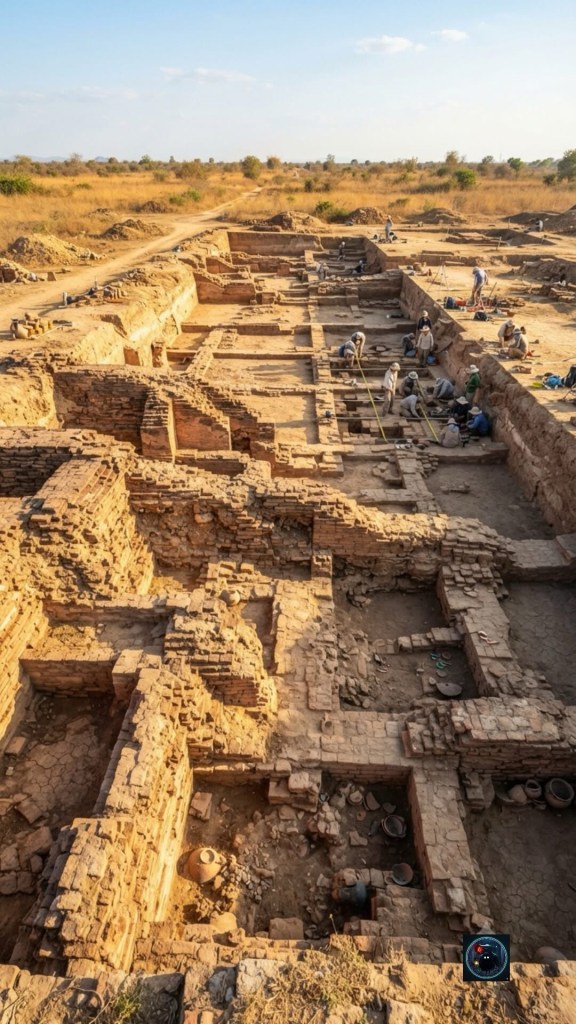
ဗိဿနိုးမြို့ဟောင်းရဲ့ အမည်မသိ အဆောက်အအုံများ
၁။ မြန်မာနိုင်ငံအလယ်ပိုင်းမှာ ရှေးဟောင်းပျူမြို့တစ်မြို့ဖြစ်တဲ့ ဗိဿနိုးမြို့ဟောင်း ရှိပါတယ်။
၂။ ဗိဿနိုးဟာ ပျူယဉ်ကျေးမှုရဲ့ အစောပိုင်းမြို့ပြစနစ်ကို လေ့လာနိုင်တဲ့ အရေးကြီးတဲ့နေရာပါ။
၃။ မြို့ရိုးပုံစံဟာ ပုံမှန်စတုရန်းမဟုတ်ဘဲ ထူးခြားတဲ့ ပုံသဏ္ဍာန်ရှိပါတယ်။
၄။ မြို့ရိုးနဲ့ မြို့တံခါးတွေဟာ မြို့ပြစီမံကိန်းကို ပြသနေပါတယ်။
၅။ ရှေးဟောင်းတူးဖော်မှုတွေကနေ အုတ်အဆောက်အအုံနဲ့ သင်္ချိုင်းအထောက်အထားတွေကို တွေ့ရှိထားပါတယ်။
၆။ ဒီအထောက်အထားတွေက ပျူလူမျိုးတွေရဲ့ ယဉ်ကျေးမှုနဲ့ လူမှုဘဝကို လေ့လာနိုင်စေပါတယ်။
၇။ ဒါပေမယ့် မြို့ဟောင်းရဲ့ အစိတ်အပိုင်းအများအပြားဟာ ယနေ့တိုင် မြေကြီးအောက်မှာ ရှိနေနိုင်ပါတယ်။
၈။ ဘာကြောင့်လဲဆိုတော့ ရှေးမြို့ရဲ့ အကျယ်အဝန်းဟာ ယနေ့မြင်ရတဲ့ အပျက်အစီးတွေထက် ပိုမိုကြီးမားခဲ့နိုင်လို့ပါ။
၉။ တချို့အဆောက်အအုံတွေရဲ့ မူလရည်ရွယ်ချက်ကိုလည်း အထောက်အထားအပြည့်အစုံနဲ့ မသတ်မှတ်နိုင်သေးပါဘူး။
၁၀။ ဒီလို မသေချာမှုတွေကပဲ ဗိဿနိုးမြို့ဟောင်းကို ပိုပြီး စိတ်ဝင်စားစရာ ဖြစ်စေပါတယ်။
၁၁။ ပျူတွေဟာ ဗုဒ္ဓဘာသာနဲ့ အိန္ဒိယယဉ်ကျေးမှုတို့ရဲ့ လွှမ်းမိုးမှုတွေကိုလည်း ခံယူခဲ့ကြပါတယ်။
၁၂။ ဒါကို ဘုရားပုထိုးနဲ့ ရှေးဟောင်းပစ္စည်းတွေကနေ တွေ့မြင်နိုင်ပါတယ်။
၁၃။ မြို့ဟောင်းအတွင်းမှာ ဘယ်လို အုပ်ချုပ်ရေးစနစ် ရှိခဲ့သလဲဆိုတာကလည်း စိတ်ဝင်စားစရာပါ။
၁၄။ ရှေးမြို့ပြစနစ်နဲ့ ရေစီမံခန့်ခွဲမှုတွေဟာ အဲဒီခေတ်ရဲ့ နည်းပညာကို ပြသပါတယ်။
၁၅။ တချို့ဒဏ္ဍာရီတွေမှာတော့ ဗိဿနိုးနဲ့ ပတ်သက်တဲ့ ထူးဆန်းတဲ့ ဇာတ်လမ်းတွေ ရှိပါတယ်။
၁၆။ ဒါပေမယ့် ဒဏ္ဍာရီကို သမိုင်းအမှန်အဖြစ်တော့ မယူဆသင့်ပါဘူး။
၁၇။ ရှေးဟောင်းသုတေသနအထောက်အထားကသာ ပိုခိုင်လုံတဲ့ အခြေခံဖြစ်ပါတယ်။
၁၈။ ယနေ့အချိန်အထိ မဖော်ထုတ်ရသေးတဲ့ အဆောက်အအုံတွေ ရှိနိုင်တာကတော့ ဖြစ်နိုင်ခြေရှိပါတယ်။
၁၉။ နည်းပညာအသစ်တွေနဲ့ စူးစမ်းလေ့လာမှုတွေက မြို့ဟောင်းအကြောင်းကို ပိုမိုဖော်ထုတ်နိုင်ပါတယ်။
၂၀။ ဗိဿနိုးရဲ့ မြေကြီးအောက်မှာ ပျူလူမျိုးတွေရဲ့ ဘယ်လိုသမိုင်းတွေ ကျန်ရှိနေသေးမလဲ?
ဗိဿနိုး #ဗိဿနိုးမြို့ဟောင်း #ပျူ #ပျူယဉ်ကျေးမှု #ရှေးဟောင်း #မြန်မာ့သမိုင်း #Beikthano #PyuCivilization #AncientMyanmar #Archaeology
သေ၇ခေတ္တရာလျှို့ဝျက်ချက် AI History
https://youtu.be/iFJFyBrJq84?is=AIv9k9P9ZKKWGPiD
Understanding ‘How this content was made’ disclosures on YouTube
While watching YouTube, you might find information about how the content was made. This information, found in the video player or description, can offer insight into the content’s origin and whether it has been meaningfully altered. The ‘How this content was made’ section in the expanded video description provides further details.
Disclosure types
‘Made with AI’: This indicates that a video contains content that has been meaningfully altered or synthetically generated. There are several ways in which this information ends up in the ‘How this content was made’ section of the expanded description of a video.
You should expect to see this disclosure when:
- The creator manually discloses the use of ‘AI content’ in the YouTube Studio workflow. When content is undisclosed, in some cases, YouTube may take action to reduce the risk of harm to viewers by proactively applying a label that creators will not have the option to remove. Learn more about disclosing use of GenAI content.
- The creator uses YouTube’s generative AI tools (e.g. DreamScreen).
- The content contains valid Content Credentials data indicating that the entire video has been made with AI. Learn more about Content Credentials (C2PA).
YouTube will carry forward disclosures available from tools and creators with secure Content Credentials (C2PA) 2.1 or higher that indicate that the entire video was made with AI. This may include a label on the video player itself or language in the detailed description.

Note: YouTube may also leverage Content Credentials (C2PA) to carry forward other disclosures about how the content was made. Learn more about the ‘Captured with a camera’ disclosure.
Understanding ‘Info from’ attributions on YouTube
Content Credentials (C2PA) disclosures often include an attribution to the signing authority, which indicates the source that validated the information within the secure Content Credentials. When this is the case, you will see an ‘Info from’ attribution beneath the disclosure.

နန်ချောင်တပ်၇ဲ့ပထမအကြိမ် ကျူး ကျော် မှု
ပျူနိုင်ငံပြိုလဲမှုဘယ်ကစတာလဲ
နှစ်ပေါင်းရာချီ ထွန်းကားခဲ့တဲ့ ပျူနိုင်ငံတော်…
ဒါပေမယ့်…
စစ်ခေါင်းလောင်းသံ တစ်ချက်က သမိုင်းရဲ့ လမ်းကြောင်းကို စတင်ပြောင်းလဲစေခဲ့ပါတယ်။
ဒီဗီဒီယိုမှာတော့ နန်ချောင်တို့ရဲ့ ပထမအကြိမ် ကျူးကျော်မှု၊ သရေခေတ္တရာမြို့တော်ရဲ့ စစ်ပြင်ဆင်မှု နဲ့ ပျူ-နန်ချောင် စစ်ပွဲရဲ့ အစ ကို သမိုင်းမှတ်တမ်းများနှင့် ရှေးဟောင်းသုတေသန အထောက်အထားများကို အခြေခံပြီး Documentary ပုံစံဖြင့် တင်ဆက်ထားပါသည်။
📜 ဗီဒီယိုအတွင်း ပါဝင်သော အကြောင်းအရာများ • ပျူနိုင်ငံတော်၏ ရွှေရောင်ခေတ် • နန်ချောင်တို့၏ ကြီးထွားလာမှု • သရေခေတ္တရာမြို့၏ စစ်ပြင်ဆင်မှု • ပျူ-နန်ချောင် စစ်ပွဲ၏ အစ • ပထမဆုံး ကျူးကျော်စစ်၏ သမိုင်းဝင် အကျိုးဆက်များ
━━━━━━━━━━━━━━
📚 အကြောင်းအရာအရင်းအမြစ် ဤဗီဒီယိုကို ရရှိနိုင်သော သမိုင်းမှတ်တမ်းများ၊ ရှေးဟောင်းသုတေသန လေ့လာချက်များနှင့် သုတေသီများ၏ သုံးသပ်ချက်များကို အခြေခံ၍ တင်ဆက်ထားပါသည်။
📢 Channel ရည်ရွယ်ချက် ဤ Channel ၏ ရည်ရွယ်ချက်မှာ သမိုင်းနှင့် ယဉ်ကျေးမှုအမွေအနှစ်များကို လေ့လာမျှဝေခြင်းသာ ဖြစ်ပြီး မည်သည့် လူမျိုး၊ ဘာသာ၊ အဖွဲ့အစည်း သို့မဟုတ် နိုင်ငံတစ်ခုခုအပေါ် မုန်းတီးမှု၊ ခွဲခြားဆက်ဆံမှု သို့မဟုတ် ပဋိပက္ခဖြစ်ပွားစေရန် ရည်ရွယ်ထားခြင်း မရှိပါ။
🤖 AI Disclosure ဤဗီဒီယိုတွင် ပါဝင်သော Visuals၊ Illustrations နှင့် Background Music အချို့ကို AI နည်းပညာဖြင့် ဖန်တီးထားပါသည်။
🎙 Original Voiceover ဗီဒီယိုအတွင်း ပါဝင်သော Voiceover များအားလုံးသည် ကျွန်ုပ်ကိုယ်တိုင် အသံသွင်းထားသော မူရင်းအသံများ ဖြစ်ပါသည်။
© Copyright Notice ဤ Channel မှ အကြောင်းအရာများကို ခွင့်ပြုချက်မရှိဘဲ ပြန်လည်ကူးယူခြင်း၊ ပြန်လည်တင်ခြင်း သို့မဟုတ် အခြား Platform များတွင် အသုံးပြုခြင်းကို တားမြစ်ထားပါသည်။
📩 Business Inquiries akarkaungkin610@gmail.com
မြန်မာ့သမိုင်းကို Documentary ပုံစံဖြင့် စိတ်ဝင်စားဖွယ် တင်ဆက်ပေးနေသော Yair History Archive ကို Subscribe လုပ်ပြီး အားပေးနိုင်ပါတယ်ခင်ဗျာ။
ပျူနိုင်ငံတော်
နန်ချောင်
ပျူနန်ချောင်စစ်ပွဲ
နန်ချောင်ကျူးကျော်မှု
ပထမဆုံးကျူးကျော်စစ်
သရေခေတ္တရာ
ပျူယဉ်ကျေးမှု
မြန်မာသမိုင်း
ရှေးဟောင်းမြန်မာသမိုင်း
Myanmar History
https://youtu.be/cIeHD-8EzJw?is=sE3jydSR_XMnbf6c
The Pyu Civilization :Myanmar’s Forgotten Ancient Kingdom
A good Pyu History Post by AI
Step back more than 2,000 years into the ancient world of the Pyu Civilization, the earliest known culture in Myanmar’s history.
Long before the rise of Bagan, powerful kings, and grand empires, the Pyu people built advanced cities, practiced Buddhism, created unique scripts, and connected Myanmar to the great trade routes of Asia.
In this cinematic AI documentary, we explore:
- The origins of the Pyu
- The rise of magnificent cities like Śrī Kṣetra, Halin, and Beikthanopeople
- Their peaceful Buddhist culture and advanced knowledge
- Trade with India, China, and beyond
- The tragic fall of their civilization
- And how their legacy shaped the future of Myanmar
This video was created using AI-generated visuals, voiceover storytelling, and historical research to bring the forgotten Pyu era back to life.
If you enjoy Myanmar history, ancient civilizations, and cinematic storytelling, don’t forget to Like, Share, and Subscribe.
📍
https://youtu.be/S9e99XEUFc0?si=nyYPb3YPvyjzq-i7
World Heritage Pyu ancient City Hanlin part 1
ဟန်လင်းမြို့ဟောင်းဟာ ကျောက်ခတ် ကြေးခေတ်နဲ့ သံခေတ်တွေကို ဖြတ်သန်းတိုးတက်လာတဲ့ နေရာတခုဖြစ်ပါတယ်။ အုပ်စုဖွဲ့နေထိုင်မှုနဲ့အတူ မြို့ပြတည်ထောင်ခဲ့ကြပါတယ်။ အုတ်မြို့ရိုးကြီးတွေ တည်ဆောက်ခဲ့ကြပြီး စားနပ်ရိက္ခာ စိုက်ပျိုးမြေတွေအတွက် ရေမြောင်းတွေ တူးဖောက်သွယ်တန်းခဲ့ကြပါတယ်။
https://youtu.be/1uYE48-RK-0?si=Kq8l8Sdb–DitfzS
World Heritage Pyu ancient City Hanlin part 2
ဟန်လင်းမြို့ဟောင်းဟာ ဘီစီ ၂ ရာစုလောက်ကတည်းက ပေါ်ပေါက်ဖြစ်ထွန်းခဲ့ကြောင်း သမိုင်းပညာရပ်ဆိုင်ရာ တွက်ချက်မှုတွေကနေ ခန့်မှန်းထားခဲ့ကြပါပြီ။ ဒီနေရာမှာရှိတဲ့ ရှေးဟောင်းအမွေအနှစ်တွေဟာဆိုရင် နှစ်ပေါင်း ၂၀၀၀ ကျော် သက်တမ်းရှိခဲ့ပါပြီ။ ပျူတို့နေထိုင်ခဲ့ရာ ပျူမြို့ဟောင်းဖြစ်ပါတယ်။
https://youtu.be/fZrOWYDCwMI?si=WwDBwLBSbj7rcbtn
The origin of Myanmar ,Pyu
မြန်မာအစ တကောင်းက ဆိုတာ မှန်ရဲ့လား။ ဆရာကျော်စိန်ဝင်းရဲ့တွေ့ရှိချက်အရ မြန်မာအစ ဘယ်ကဖြစ်မလဲ
https://youtu.be/i2AUXnl0jjc?si=FFvb5tQpJbuXzM6p
Prehistory of Pyu
ပျူလူမျိုးတွေအကြောင်း လက်လှမ်းမီသမျှ
ပျူလူမျိုးတွေ အကြောင်းကို သူတို့ရဲ့ အစဖြစ်တည်မှု၊ မြို့ပြဟောင်းတွေ၊ ထင်ရှားတဲ့ယဉ်ကျေးမှု နဲ့ အနုပညာတွေ၊ ဘယ်လိုပျောက်ကွယ်ခဲ့သလဲ၊ တရုတ်မှတ်တမ်းက ဖော်ပြထားတဲ့ သူတို့အကြောင်းတွေကို စုစည်းတင်ပြထားပါတယ်။
ပျူ #မြို့ပြ #ယဉ်ကျေးမှု #တရုတ်မှတ်တမ်း #သမိုင်း #လူမျိုး
Some visuals in this video are AI-generated reconstructions used for educational and illustrative purposes.
https://youtu.be/Saa0G8v1vYQ?si=q0v-QKdQTdd6wvYk
Revisiting the Chinese Transcription of Pyu
South east Asian Language Conferences at UH Manoa
https://youtu.be/F5Fh6Io-yHY?si=XkWHlU3Y4cXFt33x
ဒေါက်တာသန်းထွန်ူ
တစ်ချိန်က စည်ပင် တိုးတက်ထွန်းကားခဲ့တဲ့ ပျုမြို့တော်ကြီး ဘယ်သူတွေဖျက်ဆီးခဲ့သလဲ
https://youtu.be/qLNMAR88pjE?si=kfKuvaXRrfM3THG9
အရှေ့တောင်အာရှမှာ အစေ,ာဆုံးမြို့ပြယဉ်ကျေးမှု တစ် ုဖြစ်တဲ့ ပျူမြိုဟောင်းများ
https://youtu.be/tlR6Fs0shDU?si=amS9IuBgdkWYY8c4
အရှေ့တောင်အာရှမှာ အစောဆုံးမြို့ပြယဉ်ကျေးမှုတစ်ခုဖြစ်တဲ့ ပျူမြို့ဟောင်းများ
ဒီနေ့ “စူးစမ်းရှာဖွေ ကမ္ဘာ့အမွေ” အစီအစဉ်က တင်ဆက်ပေးသွာမဲ့ ကမ္ဘာ့အမွေအနှစ်နေရာ ကတော့ ဘီစီ ၂ ရာစု ကနေ အေဒီ ၉ ရာစု အထိ ထောင်စုနှစ်တစ်ခုစာ သက်တမ်းရှိတဲ့ ပျူမြို့ဟောင်းတွေရဲ့ အကြောင်းပဲဖြစ်ပါတယ်။ 🙋
“ပျူမြို့ဟောင်းများ” လို့ခေါ်ရခြင်းအကြောင်းကတော့ ၂၀၁၄ ခုနှစ်မှာ ယူနက်စကို က သရေခေတ္တရာ၊ ဟန်လင်း နဲ့ ဗိဿနိုးမြို့ဟောင်း ၃ ခု ကို ကမ္ဘာ့ရှေးဟောင်းယဉ်ကျေးမှု အမွေအနှစ်အဖြစ် တစ်ဆက်တည်းသတ်မှတ်ဖို့ အတည်ပြုခဲ့တာကြောင့်ဖြစ်ပါတယ်။
သရေခေတ္တရာမြို့ဟောင်း က ပဲခူးတိုင်းဒေသကြီး ပြည်မြို့နယ်၊ ဟန်လင်းမြို့ဟောင်း က စစ်ကိုင်းတိုင်းဒေသကြီး ဝက်လက်မြို့နယ်၊ နဲ့ ဗိဿနိုးမြို့ဟောင်း က မကွေးတိုင်းဒေသကြီး တောင်တွင်းကြီးမြို့နယ်မှာ အသီးသီးတည်ရှိကြပါတယ်။
ပျူမြို့ဟောင်းတွေက အရှေ့တောင်အာရှမှာ အစောဆုံးမြို့ပြယဉ်ကျေးမှု နဲ့ ဗုဒ္ဓဘာသာအစောဆုံးကိုးကွယ်မှု အထောက်အထားတွေကို လေ့လာတွေ့ရှိခဲ့တဲ့မြို့တွေလည်းဖြစ်ကြပါတယ်။ ပျူယဉ်ကျေးမှု စတင်ရာဖြစ်တဲ့ သရေခေတ္တရာ၊ ဟန်လင်း နဲ့ ဗိဿနိုးမြို့ဟောင်းတွေမှာ ဘယ်လို သမိုင်းဝင်ယဉ်ကျေးမှု အမွေအနှစ်အထောက်အထားတွေ ရှိနေတယ်ဆိုတာကို သိချင်တယ်ဆိုရင်တော့ ဒီနေ့ရဲ့ “စူးစမ်းရှာဖွေ ကမ္ဘာ့အမွေ” အစီအစဉ်ကို နားဆင်ခံစားပြီး စူးစမ်းရှာဖွေကြည့်လိုက်ရအောင်နော်။ 🤩
ဇာတ်လမ်း Z-Lann မှ တင်ဆက်ပေးလျက်ရှိတဲ့ အစီအစဉ်ကောင်းတွေကိုတော့ ဇာတ်လမ်း Z-Lann ရဲ့ YouTube ကနေလည်း ရှုစားနားဆင်နိုင်သလို အသံဖိုင်သီးသန့် နားထောင်လိုကြသူတွေကတော့ အောက်ပါလင့်ခ်ကနေ တစ်ဆင့်ဝင်ရောက်နားဆင်ခံစားနိုင်ပါတယ်။ 👇
YouTube:  / @zlann_podcast
Podcast: https://podcasters.spotify.com/p…
Facebook Group:  / zlann
ZLann #ZLann_Podcast #ပျူမြို့ဟောင်းများ
https://youtu.be/tlR6Fs0shDU?si=amS9IuBgdkWYY8c4
ပျူလူမျိုးဆိုတာဘယ်သူတွေလဲ
https://youtu.be/94ox2ovnwUs?si=3ZLbbq0geMV6GX63
သရေခေတ္တရာပျူမြို့ပြနိုင်ငံ
UNESCO ကမ္ဘာ့အမွေအနှစ်အဖြစ်သတ်မှတ်ခံထားရတဲ့ “သရေခေတ္တရာ” ပျူယဉ်ကျေးမှုရဲ့ မယုံနိုင်ဖွယ်ထွန်းကားခြင်းနဲ့ ပဟေဠိဆန်စွာပျောက်ကွယ်သွားခြင်းအကြောင်းကို တင်ပါထားပါတယ်ဗျ
ကြိုက်နှစ်သက်တယ်ဆိုရင် Like,comment and subscribe လေး လုပ်ပေးဖို့ တောင်းဆိုပါတယ်ဗျ✌️
If you enjoyed this video, please like, comment, and subscribe for more history stories from Asia and beyond.
Your support helps me share more hidden histories with the world.
https://youtu.be/8iyzyFcnxOM?si=sU_O2TLxh7SoNh13
ဟန်လင်းပျူမြို့ဟောင်း
ဟန်လင်းမြို့ဟောင်းဟာ ကျောက်ခတ် ကြေးခေတ်နဲ့ သံခေတ်တွေကို ဖြတ်သန်းတိုးတက်လာတဲ့ နေရာတခုဖြစ်ပါတယ်။ အုပ်စုဖွဲ့နေထိုင်မှုနဲ့အတူ မြို့ပြတည်ထောင်ခဲ့ကြပါတယ်။ အုတ်မြို့ရိုးကြီးတွေ တည်ဆောက်ခဲ့ကြပြီး စားနပ်ရိက္ခာ စိုက်ပျိုးမြေတွေအတွက် ရေမြောင်းတွေ တူးဖောက်သွယ်တန်းခဲ့ကြပါတယ်။
Part 1
https://youtu.be/1uYE48-RK-0?si=X_epbFEJlhgEdAPa
Part 2
သရေခေတ္တရာမြို့ဟောင်းကြီးအတွင်းကရရှိခဲ့တဲ့ နစ်ပေါင်းထောင်ချီသက်တမ်းရှိနေပြီဖြစ်တဲ့ ရှေးဟောင်းရုပ်တုတွေဟာ ခိုးယူခံရပြီး နိုင်ငံခြားကိုရောင်းစားခြင်းခံခဲ့ရပါတယ်..။ အဆိုပါရုပ်တု(၅)ရုပ်ဟာ မြန်မာနိုင်ငံကို ဘယ်လိုပြန်ရောက်လာခဲ့လဲ….. တူးဖော်ရေးမှာ ဘယ်လိုထူးခြားမူတွေနဲ့ကြုံခဲ့ရသလဲ…စတာတွေကို တင်ဆက်ပေးထားပါတယ်ခင်ဗျာ..။
livingmyanmarmediagroup #သရေခေတ္တရာ #history #PyuCity
https://youtu.be/TTxpo5_eeY4?si=epNwZy7AKljZiMu5
သမိုင်းမသင်ရင် ခွေးဖြစ်သွားမယ်”
ဤစကားသည် ကြမ်းတမ်းသည်ဟု ထင်ရသော်လည်း မြန်မာ့သမိုင်းပညာရှင်ကြီး ဒေါက်တာသန်းထွန်းက ခေတ်စနစ်ကို မြင်ကာ အနာဂတ်အတွက် လေးလေးနက်နက် သတိပေးခဲ့ခြင်း ဖြစ်သည်။
ဒေါက်တာသန်းထွန်းသည် သာမန် ပါမောက္ခတစ်ဦး မဟုတ်ပါ။ အမှန်တရားကို ရှာဖွေရဲသူ၊ တွေ့ရှိလာသည့် အမှန်တရားကိုလည်း မည်သူ့မျက်နှာကိုမှ မထောက်ထားဘဲ “ပညာရှင်မာန” (Professional Pride) ဖြင့် ပြတ်ပြတ်သားသား ပြောဆိုရဲသူ ဖြစ်သည်။
ဤအကြောင်းကို ဆရာကြီးတင်ညွန့်က ဒေါက်တာသန်းထွန်း၏ မှတ်တမ်းဝင်စကားများ ခေါင်းစဥ်ဖြင့် ရေးသားသော စာတပုဒ်ဖြစ်ပါသည်။
ဆရာကြီးတင်ညွန့်၏ Facebook Account link ဖြစ်ပါသည်။
 / 1bwasf7rf6
🔔 Subscribe for more:
ကျွန်တော်တို့၏ ချန်နယ်ကို Subscribe လုပ်ထားပြီး နောက်ထပ် စိတ်ဝင်စားဖွယ် ဗီဒီယိုများကို စောင့်မျှော်ကြည့်ရှုနိုင်ပါသည်။
#DrThanTun
ဒေါက်တာသန်းထွန်း
MyanmarHistory
သမိုင်း
TheIntellectualRebel
မအအောင်သမိုင်းသင်ရမယ်
https://youtu.be/JYuK3754BTc?si=3t3nRM-FUyURO1zm
Spotify မှာ အခမဲ့နားဆင်ရန် : https://open.spotify.com/show/7K… ပျူမြို့တော်ကြီး ဘာကြောင့်ပျက်စီးခဲ့ရသလဲ (အစ-အဆုံး) | ပျူတွေဘယ်ပျောက်သွားသလဲ – ဒေါက်တာသန်းထွန်း
ဝတ္ထုတို #ဟာသ
https://youtu.be/qLNMAR88pjE?si=8Pg6qTgbhiVwLHRJ
အင်္ဂပူမြို့နားက ရှေးဟောင်းပျူ မြို့ဟောင်းလား
https://youtu.be/ABJj6A9shAI?si=uX9ZWq6RTJ8w-Rvr
မိုင်းမောပျူ မြို့ ဟောင်းကြီး
https://youtu.be/0W_-t2Xfo0Y?si=vHfn7eaRbvVZnNHl
https://youtu.be/LSw8Q5ox-iE?si=IXREKZJFSun_eILN
မြန်မာ့သွေးသားပျူခေတ်လူသားများ အပိုင်း ၁
မြန်မာ့သွေးသားပျူခေတ်လူသားများ အပိုင်း ၂
မြန်မာ့သွေးသားပျူခေတ်လူသားများ အပိုင်း ၃
https://youtu.be/naXqNLYlZaE?feature=shared
မြန်မာ့သွေးသားပျူခေတ်လူသားများ အပိုင်း ၄
မြန်မာ့သွေးသားပျူခေတ်လူသားများ အပိုင်း၅
ရှေးဟောင်းမြန်မာစာဖြစ်သည့် ပျူစာပေနှင့်သက်ဆိုင်သော ပညာရှင်များ၏ ကြိုးစားမှုအား Living myanmar media မှတင်ဆက်ပါသည်။
https://youtu.be/dx_vjURA2CU?feature=shared
မြန်မာ့သွေးသားပျူခေတ်လူသားများ အပိုင်း ၆
https://youtu.be/rfx6RqCzzTc?feature=shared
မြန်မာ့သွေးသားပျူခေတ်လူသားများ အပိုင်း ၇
ကမ္ဘာ့အမွေအနှစ်စာရင်းဝင်ထိုက်တဲ့ မြန်မာတို့ရဲ့ပျူ မြို့ပြ ယဥ္ေကျးမှုစနစ်
https://youtu.be/ZRzRm28ytn0?feature=shared
ပျူလူမျိုးတွေဘယ်ရောက်ကုန်ပြီလဲ
https://youtu.be/gVRRhp7neGg?si=Wd3xw0JyCo4eF8bP
ပျူလူမျိုး/ပျူစာ/ ဗြမ္မာ/ မြမ္မာ /မြန်မာ
TTZ Entertainment Channeal.မှ – ဖြစ်ရပ်မှန် သမိုင်းဇာတ်လမ်းများ
• မှော်ဆန်သောပုံပြင်များ – မြန်မာနိုင်ငံမှ အထင်ကရနေရာများ – အခြား သိမှတ်စရာများ
ဗဟုသုတရစရာ အမျိုးမျိုးနှင့်၊ မြန်မာ့ယဉ်ကျေးမှု အမွေအနှစ်များ အထင်ကရစာရေးဆရာများ၏ စာအုပ်များကို
တင်ဆက်ပေးနေပါသည်။
နားဆင်ကြသူ တစ်ယောက်ချင်းစီတိုင်းကို ကျေးဇူးအများကြီးတင်ပါသည်။
နေညိုဦး😊
ပန်ထွာ အမုန်း ဒွတ္တဘောင် အရှုံး {🇲🇲🇲🇲🇲🇲}
https://youtu.be/-pLUmbW6gRg?si=YO_k4sVWZLTdKjk9
သရေ ခေတ္တရာဂူဘုရားများအကြောင်း
https://youtu.be/HhX6YLx0sNc?si=2AAKSs36_iXZYKgl
မြန်မာ့ေ၇ှးအကျဆုံးမြို့ပြနိုင်ငံ ,သေ၇ခေတ္တရာ
UNESCO ကမ္ဘာ့အမွေအနှစ်အဖြစ်သတ်မှတ်ခံထားရတဲ့ “သရေခေတ္တရာ” ပျူယဉ်ကျေးမှုရဲ့ မယုံနိုင်ဖွယ်ထွန်းကားခြင်းနဲ့ ပဟေဠိဆန်စွာပျောက်ကွယ်သွားခြင်းအကြောင်းကို တင်ပါထားပါတယ်ဗျ
https://youtu.be/8iyzyFcnxOM?si=MT02Aq-MN19yBhbh
ပျူ ဗုဒ္ဓဘာသာ
https://www.facebook.com/reel/2603556163359937/?fs=e&fs=e
ခေတ် ၆ ခေတ်အက
World Heritage ancient Pyu city Hamlin part 1
https://youtu.be/1uYE48-RK-0?si=sBy-_-1vHSK-qRja
World Heritage ancient Pyu city Hamlin part 2
https://youtu.be/fZrOWYDCwMI?si=7xsxUGZE7lsQZgne
ပုဂံခေတ်မတိုင်မီ မြန်မာ့သမိုင်း
https://youtu.be/n7zkjDV8LSg?si=yVkzQVX8e8DWo0qO
ပျူစစ်လျင်မြန်မာ ဘုန်းတင့်ကျော်
How Tibetan migrants built a Burmese civilization
Read The Full Essay Here: https://docs.google.com/document…
Today I dive into the overlooked historical influence that Tibet has had on Myanmar, often overshadowed by the more widely recognized influences from India, China, and Southeast Asia. We’ll explore the ethnic origins of the ancient Pyu city-states, tracing their connections to the Tibetan Plateau around Qinghai Lake. I’ll also discuss the possible genetic contributions of Tibetan Empire warriors on early Burmese migrants and draw intriguing parallels between the histories of Tibet and Myanmar.
Timestamps:
0:00 Intro
0:10 Myanmar’s influences from its neighbors
0:50 Pyu city-states
1:00 Origin of the Pyu on the Tibetan Plateau
1:22 Contributions and legacy of the Pyu city-states
2:00 Migrational patterns following Tibet’s River Systems
2:43 Formation of the Bamar (Burmese ethnic group)
3:00 Burmese warriors of Nanzhao raid the Pyu city-states
3:19 Nanzhao and the Tibetan Empire
4:00 Nanzhao conquer the Pyu city-states
4:15 End of the Pyu city-states
4:40 Facts about Nanzhao
4:51 Tibetan Warriors among the “Swift Horsemen From The North”
5:27 Ancestral Homeland on Qinghai Lake (Tsongön Lake)
5:46 Similarity between Pyu city-state artifacts and Tibetan Dzi Beads
6:19 Tibeto-Burman Language Family Connection
7:25 Spread of Tibeto-Burman Languages Through Migrations Following Tibet’s River Systems
7:58 Genetic Connection Between Tibetans and Burmese
9:14 Religious Parallels Between Tibet and Myanmar
10:18 Wrapping It Up.
Educlectic (formerly “Eclectic Explorations”) seeks to educate a global audience and invoke conversations on fascinating lesser-known subjects through thoughtful storytelling. From publicizing untold historical events to interesting zoological concepts, hidden gems in cinema and literature and much more.
I also occasionally post videos of interesting things I bear witness to in the world.
If you enjoy my videos please consider supporting the channel by liking, sharing, subscribing. I gladly accept any and all donations. In return, I will give a shoutout and public thank you message.
💲 Please Support Me 💲
💵 Buy Me A Coffee: https://www.buymeacoffee.com/ecl…
💵 Merchandise Store: https://arok.creator-spring.com/
💵 Venmo: https://venmo.com/u/eclectic-exp…
Shoot me an email!
» uchiha.squidward@outlook.com
What should we talk about next?
https://forms.gle/3cfsembmPc3BkCuf8
tibet #tibetan #tibetanvlog #tibetanvlogger #mongolia #mongolianhistory #mongolianculture #mongolians #mongol_online_tv #mongol_research_center #bhutan #bhutanese #bhutanesesong #myanmarcelebritynews #myanmar #myanmarnews #myanmarcelebrity #myanmarsong #burmesenews #asianhistory #historicalfacts # Masaman
https://youtu.be/ONePXBAvEow?si=JIbNiLcWYwc1NsHA
၁
https://youtu.be/-pLUmbW6gRg?si=7L1PmADc9CPs7XYf
၂
https://youtu.be/ImpXit3ZUms?si=htkryYIMiN-7f5Q7
မြန်မာခေတ်အဆက်ဆက် တကောင်း၊သရေခေတ္တရာ,ပုဂံ အပိုင်း ( ၁ )
Bagan Dance ပုဂံအက
https://youtu.be/VEUWCCrKlNE?feature=shared
https://youtu.be/SxR6cqlVq5o?si=HUAOuy3SwgO1K07c
Bagan Era Dance
https://youtu.be/ZTyaBRAfnW8?si=k-dzcHr41PW_3bZP
TTZ Entertainment Channeal.မှ – ဖြစ်ရပ်မှန် သမိုင်းဇာတ်လမ်းများ
• မှော်ဆန်သောပုံပြင်များ – မြန်မာနိုင်ငံမှ အထင်ကရနေရာများ – အခြား သိမှတ်စရာများ
ဗဟုသုတရစရာ အမျိုးမျိုးနှင့်၊ မြန်မာ့ယဉ်ကျေးမှု အမွေအနှစ်များ အထင်ကရစာရေးဆရာများ၏ စာအုပ်များကို
တင်ဆက်ပေးနေပါသည်။
နားဆင်ကြသူ တစ်ယောက်ချင်းစီတိုင်းကို ကျေးဇူးအများကြီးတင်ပါသည်။
နေညိုဦး😊
အနော်ရထာမင်းမြတ် သို့ သမိုင်းကတောင်းဆိုသောလူတစ်ယောက် အပိုင်း(၃)👉
 • အနော်ရထာမင်းမြတ် သို့ သမိုင်းကတေ…
သမိုင်းက တောင်းဆိုသောလူတစ်ယောက် သို့ မင်းမြတ်အနော်ရထာ အပိုင်း(၂)👉
 • သမိုင်းက တောင်းဆိုသောလူတစ်ယောက် …
အနော်ရထာမင်းမြတ် သို့ သမိုင်းကတောင်းဆိုသော သူရဲကောင်းတစ်ယောက် အပိုင်း(1)👉
 • အနော်ရထာမင်းမြတ် သို့ သမိုင်းကတေ…
Channel Link 👉👉👉
/ @ttzentertainmentchanneal5314
• အနော်ရထာမင်းမြတ် သို့ သမိုင်းကတေ…
https://youtu.be/DniP1FAAJlk?si=b3eKfNuBkFwznf5M
အနော်ရထာမတိုင်မီတည်ခဲ့သော ပုဂံရှိ ပျူလေးဆူတန်းစေတီများ
https://youtu.be/8ApMekpTpJ8?si=ClS8iWPRsYimpfvD
How Tibetan Migrants Built a Burmese Civilization
https://youtu.be/ONePXBAvEow?si=F6A1Xdj6JxuylOKQ
Read The Full Essay Here: https://docs.google.com/document…
Today I dive into the overlooked historical influence that Tibet has had on Myanmar, often overshadowed by the more widely recognized influences from India, China, and Southeast Asia. We’ll explore the ethnic origins of the ancient Pyu city-states, tracing their connections to the Tibetan Plateau around Qinghai Lake. I’ll also discuss the possible genetic contributions of Tibetan Empire warriors on early Burmese migrants and draw intriguing parallels between the histories of Tibet and Myanmar.
Timestamps:
0:00 Intro
0:10 Myanmar’s influences from its neighbors
0:50 Pyu city-states
1:00 Origin of the Pyu on the Tibetan Plateau
1:22 Contributions and legacy of the Pyu city-states
2:00 Migrational patterns following Tibet’s River Systems
2:43 Formation of the Bamar (Burmese ethnic group)
3:00 Burmese warriors of Nanzhao raid the Pyu city-states
3:19 Nanzhao and the Tibetan Empire
4:00 Nanzhao conquer the Pyu city-states
4:15 End of the Pyu city-states
4:40 Facts about Nanzhao
4:51 Tibetan Warriors among the “Swift Horsemen From The North”
5:27 Ancestral Homeland on Qinghai Lake (Tsongön Lake)
5:46 Similarity between Pyu city-state artifacts and Tibetan Dzi Beads
6:19 Tibeto-Burman Language Family Connection
7:25 Spread of Tibeto-Burman Languages Through Migrations Following Tibet’s River Systems
7:58 Genetic Connection Between Tibetans and Burmese
9:14 Religious Parallels Between Tibet and Myanmar
10:18 Wrapping It Up.
1
Lost Cities of Pyu , Walls in the Rice Paddies
https://youtu.be/KRYbbFbzFho?si=QlSn9ZRdiwvXe3E9
Journey with us to central Myanmar, just five hours north of Yangon, where an ancient civilization called the Pyu left an astonishing legacy—massive brick walls, some enclosing areas larger than ancient Rome, now largely forgotten outside the region. Before modern Burma was born, the Pyu flourished for nearly a thousand years (2nd century BCE to 9th century CE), building monumental structures and developing a sophisticated culture whose music captivated even the Tang dynasty court. This video delves into the mystery of the Pyu city-states, like Sri Ksetra, hidden in plain sight amidst rice paddies and toddy palms. Discover why this civilization, known for its incredible architecture and peaceful existence, faded from history, not due to insignificance, but because they chose a path of peace in a world that often punishes it. Explore the limited yet fascinating archaeological evidence—from inscriptions in an ancient Tibeto-Burman language to the silent testimony of colossal walls, stupas, and beads—that slowly unveils the story of these gentle giants. Don’t miss this captivating exploration of one of Southeast Asia’s most overlooked ancient cultures!
Subscribe and hit the notification bell to uncover more hidden histories.
2
ပျူလူမျိးတွေဘယ်ေရာက်သွားကြသလဲ
3
ပျူမြို့တော်ကြီးဘာကြောင့် ပျက်စီးခဲ့သလဲ စ/ဆုံး
ပျူတွေဘယ်ပျောက်သွားသလဲ ဒေါက်တာ သန်းထွန်း
https://youtu.be/qLNMAR88pjE?si=-pZr3EvMLB5kI9_P
https://youtu.be/qLNMAR88pjE?si=-pZr3EvMLB5kI9_P
4
ပုဂံခေတ်မတိုင်မီ မြန်မာ့သမိုင်း
https://youtu.be/n7zkjDV8LSg?si=5NpL_xtK27JV5E_H
သမိုင်းဆိုတာ
အတိတ်ကို မှတ်တမ်းတင်ထားတဲ့
လူမျိုးတစ်မျိုးရဲ့ အသက်ရှင်တဲ့ သင်ခန်းစာပါ။
အတိတ်ကို သိမှ
ပစ္စုပ္ပန်ကို နားလည်နိုင်ပြီး
အနာဂတ်ကို မှန်ကန်စွာ ရွေးချယ်နိုင်ပါတယ်။
5
အနော်ရထာမတိုင်မီတည်ခဲ့သော ပျူ လေးဆူတန်းစေတီများ
https://youtu.be/8ApMekpTpJ8?si=Ew3RFjGumVmvpP6d
ကိုလိုနီခေတ် အချိန်က ရှေးဟောင်းသုတေသန ဌာနမှရှာဖွေတူးဖေါ်သုတေသနပြုပြီးလျှင် – –
= ရွှေဘိုမြို့ အနီးတွင်
ဟန်လင်းကြီး ပျူမြို့ဟောင်း
=မကွေးမြို့ အနီးတွင်
ဗိဿနိုး ပျု မြို့ဟောင်း
=ပြည် မြို့ အနီးတွင်
သရေခေတ္တရာ ပျူ မြို့ဟောင်း
ဟူ၍ မြန်မာတနိုင်ငံလုံး တွင် ၊ ပျူမြို့တော်ဟောင်းကြီး (၃) ခုသာ တည်ရှိခဲ့သည်ဟု တင်ပြထားခဲ့ကြသည်။
လွတ်လပ်ရေး ရရှိပြီးသည့်နောက် ၊ဌာနဆိုင်ရာ အသီးသီးတို့ ၏ အကူအညီဖြင့် ပညာရှင်များ ၊ဝါသနာရှင်များ၏ အပင်ပန်းခံ ရှာဖွေ ၍ ကွင်းဆင်းသုတေသန ပြုလုပ်ကြသောကြောင့် – – –
=မြစ်သားမြို့ အနီးတွင်
ပင်လယ် ပျူမြို့ဟောင်း
=မြင်းမူ မြို့ အနီးတွင်
အာလ ကပ္ပ ပျူမြို့ဟောင်း
= နွားထိုးကြီး မြို့ အနီးတွင်
ဝတီး(ဘုရားကြီး)ပျူမြို့ဟောင်း
=ပျော်ဘွယ်မြို့ အနီး တွင်
ဘိန္န က ပျူမြို့ဟောင်း
= မင်းဘူး မြို့အနီးတွင်
စကု ပျူမြို့ဟောင်း စသည်ဖြင့်
အသစ် အသစ်သော အခြား ပျူခေတ်နှင့် သက်ဆိုင်သော ရှေးဟောင်း မြို့တော် အသစ်များကို ထပ်မံ တွေ့ရှိလာခဲ့ကြသည့် အပြင် ၊ ကိုလိုနီခေတ် သမိုင်းဆရာများက ဒဏ္ဌာရီ မြို့ဟောင်းသာဖြစ်သည် ဟု မှားယွင်း သတ်မှတ်ခဲ့သော “တကောင်း” မြို့ကြီးသည်လည်း ပျူခေတ် အခါက တကယ်ပင် တည်ရှိခဲ့သော ပျူခေတ်နှင့် သက်ဆိုင်သည့် ရှေးမြို့တော်ဟောင်း တခု ဖြစ်သည် ကို တူးဖေါ် သုတေသန ပြု၍ အတည်ဖြစ်ကြောင်း သတ်မှတ် ပေးနှိုင်ခဲ့ပါသည်။
ထို့နောက် မြေထူးမြို့ သမိုင်းမှတ်တမ်းတွင် ၊ ပင်မ မြိုတော်ကြီး၏ အရပ် ရှစ်မျက် နှာတို့တွင် လူတယောက်၏ တနေ့တာ ခြေလျှင်ခရီးဖြစ်သော(၁၀)မိုင်မှ မိုင်(၂၀)
အကွာအဝေတို့တွင် “ အရံ ခံတပ်ကင်းမြို့ငယ်များ တည်ရှိလေ့ရှိကြောင်း ဖတ်ရှု့ရသောကြောင့် ၊ ပထမဆုံး ဟန်လင်းကြီး နှင့်အရံ ခံမြို့ (၈) မြို့ တို့ကို စတင် ဖေါ်ထုတ်နှိုင်ခဲ့ပါသည် ။ ကျန်ရှိသော ပင်လယ် ၊ ဘိန္နက ၊ဗိဿနိုး ၊ သရေ ခေတ္တရာ ၊ ဝတီး စသည့် ပျူမြို့ဟောင်းများ၏ ပတ်လည်ရှိ ၊ခံတပ် အရံ မြို့ငယ်များကိုလည်း အားလုံး နီးပါးခန့် ဖေါ်ထုတ်ပေးနှိုင်ခဲ့ပါသည် ။
ရှေးဟောင်းသုတေသနဌာန ၏ ပျူခေတ်ဆိုင်ရာ သုတေသနပြုတူးဖေါ် အစီရင်ခံစာများ အရ၊
အစောဆုံးသော ပျူမြို့ ဖြစ်သည့်
“ဝတီး”မြို့ဟောင်း အတွက်လည်း ၄င်း၏ အရပ် (၈)မျက်နှာရှိ အရံ ခံမြို့များကို ရှာဖွေရာတွင် ခံမြို့ငယ် (၇) ခုကိုသာ ရှာဖွေ တွေ့ရှိထားသေးသည်။ဝတီး ၏ ထိုခံမြို့များတွင်အားလုံး မုဌောစေတီ များ တည်ရှိနေ ကြသည်ကိုလည်းသိရှိရပြန်သည်။ လေ့လာရန် ကျန်ရှိနေသော ၊ဝတီးမြို့တော်ကြီး၏အနောက်တောင်ထောင့်
သည် ၊ တောင်သာမြို့ ၏တောင်ဖက် အထွက် တွင် ရှိသော “ဇရပ်ကြီး” ကျေးရွာ ဖြစ်နှိုင်ခြေ ရှိသည်ဟု သိရှိရသော်လည်း #ရာသီဥတုမကောင်းသဖြင့် သွားရောက် မလေ့လာနှိုင်သေးပါကြောင်း မိတ်ဆွေ အပေါင်းအား သိစေအပ်ပါသည် ခင်ဗျား ။
6
ပျူတွေဘယ် ရောက်သွားလဲ
မင်္ဂလာပါခင်ဗျာ။ ဒီနေ့ဗီဒီယိုမှာတော့ ကျွန်တော်တို့ မြန်မာ့သမိုင်းမှာ ပုဂံခေတ်မတိုင်မီ နှစ်ပေါင်း ၁,၀၀၀ ကျော်ကတည်းက ထွန်းကားခဲ့တဲ့ “ပျူ” လူမျိုးတို့ရဲ့ စိတ်ဝင်စားဖွယ် သမိုင်းကြောင်းကို တင်ဆက်ပေးသွားမှာ ဖြစ်ပါတယ်။
ပျူတို့ဟာ ကိုယ်ပိုင်စာပေ၊ ကိုယ်ပိုင်ငွေကြေးစနစ်နဲ့ ခိုင်ခံ့တဲ့ မြို့ရိုးကြီးတွေကို တည်ဆောက်နိုင်ခဲ့ကြပါတယ်။ ဟန်လင်း၊ ဗိဿနိုး နဲ့ သရေခေတ္တရာ စတဲ့ ပျူမြို့ဟောင်းကြီးတွေဟာ ဒီနေ့ခေတ်တိုင်အောင် ဂုဏ်ယူဖွယ်ရာ ကမ္ဘာ့အမွေအနှစ်တွေအဖြစ် တည်ရှိနေဆဲပါ။ ဒါပေမဲ့ မေးခွန်းထုတ်စရာ တစ်ခုကတော့… ဒီလောက်ကြီးကျယ်ခမ်းနားတဲ့ ယဉ်ကျေးမှုကြီး ပိုင်ဆိုင်ခဲ့တဲ့ ပျူလူမျိုးတွေ ဘယ်ရောက်သွားကြလဲ ဆိုတာပါပဲ။
ဒီဗီဒီယိုမှာ ပါဝင်မယ့် အကြောင်းအရာများကတော့ –
ပျူတို့ရဲ့ ယဉ်ကျေးမှုနဲ့ ခေတ်မီ နည်းပညာများ
ပျူဒင်္ဂါးပြားများနှင့် ပုတီးစေ့များအကြောင်း
ကိုးကွယ်ယုံကြည်မှု ဆိုင်ရာ ထူးခြားချက်များ
ပျူလူမျိုးတို့ ပျောက်ကွယ်သွားရခြင်း၏ သမိုင်းဆိုင်ရာ ယူဆချက်များ
မြန်မာ့ရှေးဟောင်းသမိုင်းကို စိတ်ဝင်စားသူတိုင်း ကြည့်ရှုသင့်တဲ့ ဗီဒီယိုလေးဖြစ်လို့ အဆုံးထိ ကြည့်ရှုအားပေးကြပါဦးခင်ဗျာ။
MyanmarHistory #PyuEra #AncientMyanmar #BurmeseHistory #SriKsetra #Beikthano #Halin #MyanmarCulture #HistoryMystery #PyuAncientCities #UNESCOMyanmar #ပျူခေတ် #မြန်မာ့သမိုင်း #ရှေးဟောင်းအမွေအနှစ် #ဗဟုသုတ
7
ပျူတွေအကြောင်းခက်လှမ်းမီသမျှ
ပျူလူမျိုးတွေ အကြောင်းကို သူတို့ရဲ့ အစဖြစ်တည်မှု၊ မြို့ပြဟောင်းတွေ၊ ထင်ရှားတဲ့ယဉ်ကျေးမှု နဲ့ အနုပညာတွေ၊ ဘယ်လိုပျောက်ကွယ်ခဲ့သလဲ၊ တရုတ်မှတ်တမ်းက ဖော်ပြထားတဲ့ သူတို့အကြောင်းတွေကို စုစည်းတင်ပြထားပါတယ်။
ပျူ #မြို့ပြ #ယဉ်ကျေးမှု #တရုတ်မှတ်တမ်း #သမိုင်း #လူမျိုး
https://youtu.be/Saa0G8v1vYQ?si=PY_9WZ4R3vAymdXi
8
ကမ္ဘာ့အမွေအနှစ်စာရင်းဝင် ဟန်လင်းပျူမြို့ဟောင်း
ဒီနေ့ Youth Directory ရဲ့ “လူငယ်စွယ်စုံကျမ်း” အစီအစဉ် ကနေ တင်ဆက်ပေးမယ့် အကြောင်းအရာကတော့ “ဟန်လင်း ပျူမြိုဟောင်း” အကြောင်းပဲ ဖြစ်ပါတယ်။
📿ဟန်လင်း ပျူမြိုဟောင်း ဖြစ်ပေါ်လာပုံနဲ့သမိုင်းကြောင်းတွေကို မျှဝေပေးသွားမှာ ဖြစ်လို ကြည့်ရှုခံစား အားပေးကြပါအုံးခင်ဗျာ
https://youtu.be/CkVG0YrUtTk?si=gJAy3ILAT5CKe2HD
9
World Heritage Ancient City Hamlin part 1
ဟန်လင်းမြို့ဟောင်းဟာ ကျောက်ခတ် ကြေးခေတ်နဲ့ သံခေတ်တွေကို ဖြတ်သန်းတိုးတက်လာတဲ့ နေရာတခုဖြစ်ပါတယ်။ အုပ်စုဖွဲ့နေထိုင်မှုနဲ့အတူ မြို့ပြတည်ထောင်ခဲ့ကြပါတယ်။ အုတ်မြို့ရိုးကြီးတွေ တည်ဆောက်ခဲ့ကြပြီး စားနပ်ရိက္ခာ စိုက်ပျိုးမြေတွေအတွက် ရေမြောင်းတွေ တူးဖောက်သွယ်တန်းခဲ့ကြပါတယ်။
https://youtu.be/1uYE48-RK-0?si=zb9CllDdeEV1a_OU
10
World Heritage Ancient City Hamlin part 2
ပျူလူမျိုးတွေ အကြောင်းကို သူတို့ရဲ့ အစဖြစ်တည်မှု၊ မြို့ပြဟောင်းတွေ၊ ထင်ရှားတဲ့ယဉ်ကျေးမှု နဲ့ အနုပညာတွေ၊ ဘယ်လိုပျောက်ကွယ်ခဲ့သလဲ၊ တရုတ်မှတ်တမ်းက ဖော်ပြထားတဲ့ သူတို့အကြောင်းတွေကို စုစည်းတင်ပြထားပါတယ်။
ဟန်လင်းမြို့ဟောင်းဟာ ဘီစီ ၂ ရာစုလောက်ကတည်းက ပေါ်ပေါက်ဖြစ်ထွန်းခဲ့ကြောင်း သမိုင်းပညာရပ်ဆိုင်ရာ တွက်ချက်မှုတွေကနေ ခန့်မှန်းထားခဲ့ကြပါပြီ။ ဒီနေရာမှာရှိတဲ့ ရှေးဟောင်းအမွေအနှစ်တွေဟာဆိုရင် နှစ်ပေါင်း ၂၀၀၀ ကျော် သက်တမ်းရှိခဲ့ပါပြီ။ ပျူတို့နေထိုင်ခဲ့ရာ ပျူမြို့ဟောင်းဖြစ်ပါတယ်။
https://youtu.be/fZrOWYDCwMI?si=zY7l4jeyjTjXxfOk
11
ဗိဿနိုးမြို့ဟောင်း
ဗိဿနိုးမိဖုရားသင်္ချိုင်းနှင့် ရှေးခေတ်မြုပ်နှံမှုများအကြောင်းကို တင်ဆက်ပေးလိုက်ရပါတယ်ခင်ဗျာ။
https://youtu.be/AWXe5Z8ag7I?si=Jb1tpM12YH_tInP3
12
သ ရေခေတ္တရာ ပျူ မြို့ဟောင်း ရဲ့စိတ်ဝင်စားစရာများ
https://youtu.be/8iZqVsePuEM?si=vFNy1WDbwWN2QA4M
13
ပျူ #မြို့ပြ #ယဉ်ကျေးမှု #တရုတ်မှတ်တမ်း #သမိုင်း #လူမျိုး
Some visuals in this video are AI-generated reconstructions used for educational and illustrative purposes.
https://youtu.be/Saa0G8v1vYQ?si=4sSceI8RiuC6ggdt
14
သရေခေတ္တရာပျူမြို့ဟောင်းရဲ့သမိုင်းဝင် အုတ်ချပ်များနဲ့ နန်းမြို့ရိုး သံပန္နက်တိုင် အကြောင်းတစေ့တစောင့် လေ့လာခြင်း
၁၃.၇.၂၀၂၄
ရိုက်ကူး/တည်းဖြတ် – သန္တာ
“သူတို့တွေတုန်းက ဘိလပ်မြေမသုံးဘူး။ နောက်ပိုင်းထိမ်းသိမ်းထားတာ။ မြေနီသရွတ်ကိုသုံးထားတာ။ ဒါကြောင့် စည်းမန်းရောင်မထွက်ဘူး။ မြေနီသရွတ်နဲ့ ထုံးသရွတ်နဲ့ထိန်းသိမ်းထားတာ။ သရွတ်ဆိုတဲ့အတိုင်း သဘာဝပစ္စည်းတွေနဲ့ပဲသုံးတာ။ ဘိလပ်မြေဆိုတာမရှိဘူး။ အုံတုံ၊ ကျွဲကော်တို့ အုံတုံပင်ကရတဲ့အစေးတို့၊ ဥသျှစ်ပင်ရဲ့ အစေးတို့ကို ကျွဲသားရေတို့နဲ့ ဆိုးပြီးတော့မှပြုလုပ်ထားတာပါ။ သဘာဝကရတဲ့ပစ္စည်းတွေနဲ့ အုတ်ရိုးလုပ်ခဲ့တာ။ ယနေ့ ဒီသဘာဝကရတဲ့ ပစ္စည်းနဲ့ပြန်လုပ်မယ်ဆိုရင် အချိန်ကတော်တော်ကြာတယ်။ တူးဖော်မူဆောင်ရွက်တာဆိုရင် ၁၉၂၆/၂၇ လောက်မှာစပြီး တူးဖော်ရေးတွေဆောင်ရွက်ပြီးတော့ အချိန်ကာလ ဘယ်လောက်ကြာလဲဆိုရင် မြန်မာတစ်နိုင်ငံလုံးမှာရှိတဲ့ ပျူခေတ်ယဉ်ကျေးမှုကို ခြုံငုံပြောရရင် ဘီစီ၂ ရာစုကနေ အေဒီ ၉ ရာစုဆိုပြီး ပညာရှင်တွေက သုံးသပ်ထုတ်လုပ်ထားပါတယ်။ သရေခေတ္တရာတစ်ခုထဲဆိုရင် AD 4 to 9 လောက်ရှိပေမယ့် ထပ်မံ တူးဖော်ရရှိတဲ့အပေါ်မှာ ပြောင်းလဲသွားနိုင်ပါတယ်” ဆိုတဲ့ သရေခေတ္တာ ပျူမြို့ဟောင်းအကြောင်းရှင်းပြလာတဲ့ နည်းပြဆရာကိုကျော်သက် (ရှေးဟောင်းသုတေသန နည်းပညာသင်တန်းကျောင်း)
ပျူမြို့ဟောင်း #သရေခေတ္တရာ
နည်းပြဆရာကိုကျော်သက်
KyawThet #သံပန္နက်
အုပ်ချပ်နန်းမြို့ရိုး
MyanmarHistorical
PyuHistorical
mtentertainment
https://youtu.be/ePNzAAwVJX0?si=_Yp38H9AiM3B4pXg
15
မြန်မာတို့ရဲ့အဘိုးမဖြတ်နိုင်တဲ့သရေခေတ္တရာဂူဘုရားများအကြောင်း
https://youtu.be/HhX6YLx0sNc?si=nyaUfZW5UMlYlyNf
၁
ပုဂံခေတ်မတိုင်မီ မြန်မာ နိုင်ငံသမိုင်း
https://youtu.be/n7zkjDV8LSg?si=XNpE_pab4lKg3vcb
၂
မြန်မာတိုင်းသိထားသင့်သောတကောင်းပြည်
မြန်မာအစ တကောင်းက ……
ပရိတ်သတ်ကြီးရေ အခု အစီအစဉ်လေးမှာတော့ မြန်မာနိုင်ငံရဲ့ ရှေးအကျဆုံး သမိုင်းတွေထဲက တစ်ခုဖြစ်တဲ့ တကောင်းပြည်ကြီး အကြောင်းလေးကို အတိုချုံးပြီး မျှဝေပေးထားတဲ့ Video လေးပဲဖြစ်ပါတယ်
နောက်အစီအစဉ်လေးတွေမှာလည်း အခုလို စိတ်ဝင်စားဖို့ကောင်းတဲ့ အကြောင်းအရာလေးတွေတင်ဆက်သွားမှာမို့ ကျတော်တို့ရဲ့ Knowledge Tree Myanmar Channel လေးကို Like & Subscribe လုပ်ပြီး အားပေးကြပါဦးနော်
တကောင်း မြန်မာအစတကောင်းက
မောင်ပေါက်ကျိုင်း ဗေဒါရီ စစ်ကိုင်း
https://youtu.be/qPVufMgjzyU?si=wtiq4kzh9nyeasAj
၃
သရေခေတ္တရာ မြန်မာ့ရှေးအကျဆုံးမြို့ပြ နိုင်ငံ
UNESCO ကမ္ဘာ့အမွေအနှစ်အဖြစ်သတ်မှတ်ခံထားရတဲ့ “သရေခေတ္တရာ” ပျူယဉ်ကျေးမှုရဲ့ မယုံနိုင်ဖွယ်ထွန်းကားခြင်းနဲ့ ပဟေဠိဆန်စွာပျောက်ကွယ်သွားခြင်းအကြောင်းကို တင်ပါထားပါတယ်ဗျ
ကြိုက်နှစ်သက်တယ်ဆိုရင် Like,comment and subscribe လေး လုပ်ပေးဖို့ တောင်းဆိုပါတယ်ဗျ✌️
If you enjoyed this video, please like, comment, and subscribe for more history stories from Asia and beyond.
Your support helps me share more hidden histories with the world.
myanmar #sriksetra #aiart #history #knowledge #facts #myanmarhistory #bagan #ancient #unesco #ancienthistory #worldheritage #documentary #education #historydocumentary #ancientmysteries #learnhistory
https://youtu.be/8iyzyFcnxOM?si=lVEK683yMZgsBqWk
၄
သရေခေတ္တရာ ဘယ်လိုပျက်စီးသွားခဲ့တာလဲ
https://youtu.be/cjNe0O9ejCw?si=ub6PHkzCy–Hswf0
၅
ဗိသနိုးဘုရင်မ သင်္ချိုင်းရှိရာ သရေခေတ္တရာ ပျူမြို့ဟောင်းသို့ အလည်တခေါက်
https://youtu.be/K-YJgAtn_IQ?si=Lp-QARW2Cc647hg5
၆
၁၆ နှစ်ခန့်အကြာ ပျောက်ဆုံးသွားခဲ့ပြီး ၁၉၈၃ ခုနှစ်တွင် မြန်မာနိုင်ငံသို့ ပြန်လည်ရောက်ရှိလာခဲ့သည့် ပျူကချေသည် ရုပ်များအကြောင်း…
ဌာနေပြန် ပျူကခြေသည်များ
https://youtu.be/pmSDNaiNtns?si=GP6-WyUqLPpsIysi
၇
ပျူခေတ်ကျောက်ဆစ်လက်ရာ
မြန်မာ’အစ’ပျူ’က လို့ပြောစမှတ်ရှိကြရာမှာ ကျွန်တော်တို့နေထိုင်ရာမြန်မာနိုင်ငံတော်ကြီးဟာ ပျူခေတ်က စတင်ပေါ်ပေါက်လာခဲ့တာပဲဖြစ်ပါတယ်။ ခေတ်တစ်ခေတ် ပေါ်ပေါက်လာခြင်းနှင့်အတူ မြို့ ၊ ထီးနန်းနှင့် ယဉ်ကျေးမှုအနုသုခုမတို့ဟာလည်း တစ်ဆက်တည်း ထွန်းကားလာခဲ့ကြပါတယ်။ ပျူခေတ်မှာ တောက်ပကျော်ဇော်ခဲ့တဲ့ မြို့ဟောင်းဗိသုကာနှင့် ယဉ်ကျေးမှုအနုပညာတို့ဟာ လွန်ခဲ့တဲ့နှစ်ပေါင်း နှစ်ထောင်ကျော်က
တည်ရှိခဲ့တဲ့ ရှေးခေတ်မြန်မာတို့ရဲ့ ယဉ်ကျေးမှုနဲ့ သမိုင်းတို့ကို လက်ဆင့်ကမ်း ပုံဖော်ပြသနေပါတယ်။ ဒီတစ်ပတ်ရဲ့ “နိုင်ငံ့ရတနာတို့ခိုလှုံရာ” အစီအစဉ်မှာတော့ ပျူခေတ်က ရတနာတွေလို့ဆိုမဲ့ ကျောက်ဆစ်လက်ရာတွေနဲ့ အနုသုခုမလက်ရာတွေကို မပျောက်မပျက်အောင်ထိန်းသိမ်းစောင့်ရှောက်ထားတဲ့ “သီရိခေတ္တရာ ရှေးဟောင်းသုတေသနပြတိုက်” အကြောင်းကိုပြောပြပေးသွားမှာဖြစ်တာကြောင့် ပြတိုက်တွင်းမှာ
ပျူခေတ်က ကျောက်ဆစ်လက်ရာတွေကို လေ့လာနိုင်ဖို့အတွက်တင်ဆက်ပေးလိုက်ရပါတယ်နော်။
===============
https://youtu.be/bLnP7GWE-po?si=jjThlJ31fnyF-P5r
၈
ပျူတွေဘယ်ပျောက်သွားလဲ
ဒေါက်တာသန်းထွန်း အသံစာအုပ်
https://youtu.be/ToVVmdcNVGA?si=rwW2nNg3aj3JOs8G
၉
ပျူတွေအကြောင်းလက်လှမ်းမီသသမျှ
https://youtu.be/2wtILd7MYSg?si=NL05RpVPUvjE6d75
https://youtu.be/Saa0G8v1vYQ?si=AFXz-JXpneq_Ouga
https://youtu.be/diG6UV0wgUU?si=7-FW5GOZJjtuxT7y
၁၀
လင်း ဇင်းပြည် ဆိုတာ
https://youtu.be/EfSeuCHjUTA?si=W4Cr80fJLV1KkaI1
၁၁
tify မှာ အခမဲ့နားဆင်ရန် : https://open.spotify.com/show/7K… ပျူမြို့တော်ကြီး ဘာကြောင့်ပျက်စီးခဲ့ရသလဲ (အစ-အဆုံး) |
https://youtu.be/qLNMAR88pjE?si=MXjlIGbVColFjcdg
Journey with us to central Myanmar, just five hours north of Yangon, where an ancient civilization called the Pyu left an astonishing legacy—massive brick walls, some enclosing areas larger than ancient Rome, now largely forgotten outside the region. Before modern Burma was born, the Pyu flourished for nearly a thousand years (2nd century BCE to 9th century CE), building monumental structures and developing a sophisticated culture whose music captivated even the Tang dynasty court. This video delves into the mystery of the Pyu city-states, like Sri Ksetra, hidden in plain sight amidst rice paddies and toddy palms. Discover why this civilization, known for its incredible architecture and peaceful existence, faded from history, not due to insignificance, but because they chose a path of peace in a world that often punishes it. Explore the limited yet fascinating archaeological evidence—from inscriptions in an ancient Tibeto-Burman language to the silent testimony of colossal walls, stupas, and beads—that slowly unveils the story of these gentle giants. Don’t miss this captivating exploration of one of Southeast Asia’s most overlooked ancient cultures!
Subscribe and hit the notification bell to uncover more hidden histories.
ပျူတွေဘယ်ပျောက်သွားသလဲ – ဒေါက်တာသန်းထွန်း
#ဒေါက်တာသန်းထွန်း #သမိုင်း #မြန်မာသမိုင်း
https://youtu.be/qLNMAR88pjE?si=MXjlIGbVColFjcdg
https://youtu.be/qLNMAR88pjE?si=MazPKxFSN_9lmUD9ါ
Animated history of Tibet
For a brief period of time, the Tibetan Empire was one of the greatest military and political forces in the entire world, rivalling the Chinese Tang Dynasty, the Islamic Abbasid Caliphate, and even the once-mighty Roman Empire. In the 9th century, however, the entire empire suddenly collapsed, vanishing into history and myth. How did Tibet emerge to become one of the dominant political factions in Central Asia? And why did the empire collapse?
https://youtu.be/WZJSKTRwDAI?si=r6HQ7F2YB-dMkmWd
In this episode of The Animated History of Tibet, we explore the first 100 years of recorded Tibetan history, beginning with the rise of the Tibetan Empire in the Yarlung Valley under the reign of Songtsen Gampo and the later consolidation of its territories during the regency of the Gar Clan. We also explore the emergence of Buddhism in Tibet and its vital role in shaping the early imperial state.
The writer and director of the series, Dr. Alexander K. Smith, holds a PhD in Tibetan and Himalayan history from the University of Paris, France, and an MA from Oxford University.
For an in-depth discussion of the early Tibetan Empire and the topics discussed in this episode, check out part one of our interview with Professor Brandon Dotson, a specialist in imperial-era history, at Georgetown University:  • Professor Brandon Dotson | On th…
Please consider supporting our work on Patreon so that we can make more content like this in the future:  / armchairacademics
Buy the maps featured in this episode and other original artwork from our merch store: https://armchairacademicsstore.com/
Follow us on Instagram for regular project updates:  / animatedhistoryoftibet
Western-language Works Cited
Below you’ll find a number of the major secondary sources that we used in writing this episode. There are, however, a significant number of historical articles, book chapters, and primary Tibetan-language sources that have also contributed to our understanding of Tibetan imperial history. Due to limited space (YouTube only gives you 5,000 characters!), these are not referenced below. If you are interested in learning more about Tibetan history, I recommend visiting our Patreon where you will find expanded reading lists and annotated bibliographies for each episode (none of which are paywalled and are all free to use). The complete reading list for this episode is available here:  / almost-reading-98275071
Beckwith, Christopher I. 1987. The Tibetan Empire in Central Asia. Princeton University Press.
Dotson, Brandon. 2009. The Old Tibetan Annals: An Annotated Translation of Tibet’s First History. Verlag der Österreichischen Akademie der Wissenschaften.
Kapstein, Matthew T. 2000. The Tibetan Assimilation of Buddhism: Conversion, Contestation, and Memory. Oxford University Press.
Kapstein, Matthew T. 2006. The Tibetans. Blackwell Publishing.
Karmay, Samten G. 1998. “The Origin Myths of the First King of Tibet as Revealed in the Can lnga” in Karmay. The Arrow and the Spindle: Studies in History, Myths, Rituals and Beliefs in Tibet. Mandala Book Point.
Schaeffer, Kapstein, and Tuttle (eds). 2013. Sources of Tibetan Tradition. Columbia University Press.
Schaik, Sam van. 2011. Tibet: A History. Yale University Press.
Smith, Warren W., Jr. 1996. Tibetan Nation: A History of Tibetan Nationalism and Sino-Tibetan Relations. Westview Press.
Sørensen, Per K. 1994. Tibetan Buddhist Historiography: The Mirror Illuinating the Royal Genealogies: An Annotated Translation of the XIVth Century Tibetan Chronicler: rGyal-rabs gsal-ba’i me-long. Harrassowitz Verlag.
Stein, R. A. 1972. Tibetan Civilization. Stanford University Press.
Takeuchi, Tsuguhito. 1995. Old Tibetan Contracts from Central Asia. Tokyo: Daizo Shuppan.
https://youtu.be/WZJSKTRwDAI?si=r6HQ7F2YB-dMkmWd
0:00 Introduction
1:39 The early reign of Songtsen Gampo
3:01 The geopolitical situation of Tibet in the 7th century
4:20 The confederation of Sumpa
5:08 The conquest of Zhang Zhung
7:15 The vassalage of the Licchavi Kingdom of Nepal
8:06 The innovation of writing and the creation of the Tibetan script
10:52 War and the marriage of the Tang princess Wencheng Konjo
14:55 The arrival and influence of Buddhism in the Tibetan court
16:01 The later years of Songtsen Gampo’s life
16:42 Myth: the Mu Chord and the mortality of Tibetan kings
17:41 The regency of Minister Gar Tongtsen
18:54 Open war! Gar Tongtsen’s campaigns against the Tang Dynasty
21:22 The conquest of Azha
22:28 The death of Gar Tongtsen
23:07 Conclusion
24:19 Credits and Patreon pitch
https://youtu.be/WZJSKTRwDAI?si=NVlU_I4zZTrG65Sg
သရေခေတ္တရာ ပြည်မြို့
ရသများနဲ့ခရီးစဉ် ခရီးသွားအစီအစဉ်ကို အပတ်စဉ် တနင်္ဂနွေနေ့ ည ၉ နာရီသတင်းအပြီးနှင့် တနင်္လာနေ့ မွန်းလွဲ ၁၂ နာရီခွဲတို့တွင် MRTV Channel မှ ပုံမှန်ထုတ်လွှင့်နေပါသည်။

