
How Singapore solved its looming water crisis https://youtu.be/GgKi2x9od_0?si=gWmP_kmA81x2Fq7T.
In Singapore, water supply impacted wars, the economy and people’s health. Now, one of the most water-stressed countries is teaching the world how to handle water when there is hardly any.
PlanetA #Singapore #WaterCrisis
We’re destroying our environment at an alarming rate. But it doesn’t need to be this way. Our new channel Planet A explores the shift towards an eco-friendly world — and challenges our ideas about what dealing with climate change means. We look at the big and the small: What we can do and how the system needs to change. Every Friday we’ll take a truly global look at how to get us out of this mess.
Follow Planet A on TikTok: https://www.tiktok.com/@dw_plane…
Credits:
Reporter: Tim Schauenberg
Supervising Editor: Michael Trobridge
Video Editor: David Jacobi
Fact-Check: Alexander Paquet
Thumbnail: Em Chabridon
Read more:
United Nations Water, report on Singapore’s strategy:
https://www.unwater.org/sites/de…
Isocarp Institute, Singapore’s Water History:
https://www.isocarp-institute.or…
International Water Association Fact sheet on Singapore:
https://iwa-network.org/city/sin…
Chapters:
00:00 Intro
00:35 The challenge
01:56 History
03:32 Step 1: Imported Water
04:57 Step 2: Desalination
06:09 Step 3: Local Catchment
07:18 Step 4: NEWater
09:22 Policy and Education
10:14 Conclusion
တံ၍ါရွာကနေ ကမ္ဘာ့ အဖွံ့ဖိြးဆုံး နိုင်င့ဖြစ်လာတဲ့ SINGAPORE
‘ကမ္ဘာ့အချမ်းသာဆုံး၊ ပညာရေး အကောင်းဆုံး၊ အဖွံ့ဖြိုးဆုံးနိုင်ငံတွေထဲက တစ်ခု’ ဆိုတဲ့ ဂုဏ်ပုဒ်ကို စင်ကာပူက လွယ်လွယ်နဲ့ရခဲ့တာ မဟုတ်ပါဘူး။ တံငါရွာသာသာအဆင့်ကနေ မီးရောင်စုံနဲ့တိုးတက်နေတဲ့ စင်ကာပူနိုင်ငံဖြစ်လာခြင်းရဲ့ နောက်ကွယ်မှာ ဘယ်လိုအကြောင်းရင်းတွေရှိနေမလဲ???
0:39 – စင်ကာပူနိုင်ငံ သမိုင်း
4:52 – လီကွမ်ယူရဲ့ ငယ်ဘဝ
9:54 – လီကွမ်ယူရဲ့ နိုင်ငံရေးလှုပ်ရှားမှုများ
15:42 – အနားယူပြီးနောက် လီကွမ်ယူ
16:29 – လီကွမ်ယူ သေဆုံးမှု
17:29 – သင်ခန်းစာ
စင်ကာပူနှင့် လီ ကွမ်ယု
🇸🇬နိုင်ငံ ရဲ့ အာဏာကို နှစ်ပေါင်း များစွာ ထိန်းချုပ်ထားခဲ့ပေမဲ့ အာဏာ ရှင် လို့ မသတ်မှတ်ပဲ နိုင်ငံ ရဲ့ ဖခင် ကြီးလို့ လူတိုင်း အသိအမှတ်ပြုကြတဲ့ ကမ္ဘာကျော် လူတစ်ယောက် ရဲ့ အကြောင်း
🇸🇬ရှားပါးတဲ့ ခေါင်းဆောင် တစ်ယောက် နိုင်ငံတစ်ခုကို ဘယ်လို တည်ထောင်ခဲ့ ပြီး လက်ရှိအခြေအနေရောက်အောင် ဘယ်လိုတွန်းပို့ ခဲ့ တာလဲ?
🇸🇬သူ့ဘဝ မှာ တခြားသူတွေနဲ့ မတူတဲ့ ဘယ်လို အရာတွေကို ကြုံတွေ့ခဲ့ရလဲ?
ဆင်းရဲနိမ့်ကျတဲ့ လက်အောက်ခဲဘဝကနေ အာရှရဲ့ ထိပ်တန်း နိုင်ငံကြီး တစ်ခု မွေးဖွားလာပုံ
အာရှထိပ်တနိး ဖြစ်ခါတဲ့ စင်္ကာပူနိုင်ငံရဲ့ စိတ်ဝင်စားဖွယ် သမိုင်းကြောင်းများ
စင်ကာပူကို လီကွမ်ယု ဘယ်လို တည် ဆောက်ခဲ့သလဲ ။ ခြင်ပေါတဲ့နီံတောကြီးအဆင့်သာရှိတဲ့ စင်ကာပူကို ကမ္ဘာ့ထိပ်တန်းနိုင်ငံဖြစ်အောင် လုပ်ဆာင်ခဲ့တဲ့ စင်ကာပဓ ။
စင်ကာပူ (ဒါမှမဟုတ် ) ပြာပုံ ထဲက နိုးထခါတဲ့ ဖီးနစ် ကှက်ငယ် – Part 1
စင်ကာပူ (ဒါမှမဟုတ် ) ပြာပုံ ထဲက နိုးထခါတဲ့ ဖီးနစ် ကှက်ငယ် – Part 2
Tiny island that’s one of the richest in the world – and had ‘no fresh water’ 60 years ago
The island has become a haven for billionaires and is dubbed the ‘City in a Garden’ – but it hasn’t always been that way.
04:01, Sat, Dec 7, 2024 | UPDATED: 07:05, Sun, Dec 8, 2024
5
Listen to this article

Singapore is a model of successful green regeneration (Image: Getty)
An urban jungle plagued by water shortages, sewage pollution and flooding, with a divisive political climate and uneducated, largely illiterate electorate.
It sounds like the Platonic ideal of a developing country – and that is what Singapore was circa the 1960s, freshly separated from Malaysia and only two decades out of British colonial control. It presented quite a challenge for Lee Kuan Yew, the Southeast Asian island’s first Prime Minister – and one he rose to, beyond any reasonable doubt.
Beautiful New Senior Apartments in Singapore – See Prices!
The tiny island that’s the ‘world’s smallest’ with only enough room for a house
Fast forward 60 years and Singapore is now a favourite escape of billionaires – with its most affluent citizen Eduardo Saverin, the co-founder of Facebook – and a global powerhouse in biodiversity and the shipping and transport industries.
How did Prime Minister Lee do it? Dogged determination played a definite role. In the years after his 1959 election, after weathering strained relations and an ultimate break with the Malaysian government, the statesman and lawyer unveiled his vision for a ‘garden city’, with lush green landscapes and grass-clad infrastructure mirroring the economic prosperity of its citizens.
READ MORE £15bn project to connect Australia and Singapore with 2,600-mile underwater link
It certainly seemed like a high ask, and Lee wasn’t without his detractors, then or now – he is sometimes described as a ‘benevolent dictator’ for his heavy-handed enforcement of initiatives like racial integration, bringing in English as a main language and creating a mandatory savings system for all workers.
One of the main issues facing the island state was a lack of clean drinking water. Singapore is a small land mass of just 710 square kilometres with no natural aquifers and almost no groundwater, and rapid urban development was exacerbating the problem.
“In the 1960s, Singapore was like any other developing country – dirty and polluted, lacking proper sanitation and facing high unemployment,” Masagos Zulkifli, minister for social and family development in the People’s Action Party, told the UN’s Environment Programme.
“These challenges were particularly acute, given our constraints as a small island state with limitede resources; we did not even have enough drinking water.”
Don’t miss…
Incredible £98m bridge in Africa that stretches over the Suez Canal [REVEAL]
Huge country where barely anybody lives is world’s largest landlocked nation [REPORT]
Asia’s longest motorway runs 12,000 miles through 15 countries [REPORT]
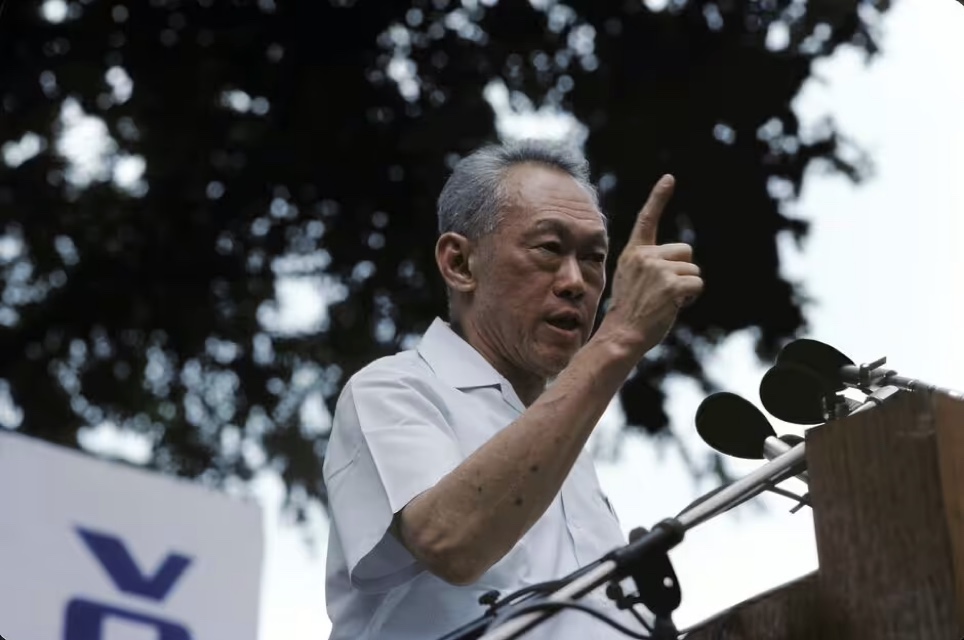
Lee Kuan Yew has been described as a benevolent dictator for his determined innovation (Image: Getty)
The government’s solution was to develop a revolutionary system of alternative water sources called the Four National Taps – comprising water from local catchment areas, imported water, recycled water and desalinated water, with the diverse supply ensuring at least a relative national security.
Before those reforms were brought in, towards the end of the 20th century and beginning of the 21st, the country relied on new waterworks infrastructure – against the backdrop of other long-term reforms similarly born of Prime Minister Yew’s ambition.
Alongside tree planting schemes, which lend themselves to the gorgeously verdant appearance of the city-state today, the government’s creation of the Housing and Economic Development Boards played a pivotal role in transforming Singapore into a country of the future.
The former ensured better living standards for citizens, replacing slums with affordable housing and the latter set the island in good stead to become the global financial force it is today.
•
SUBSCRIBE
We use your sign-up to provide content in ways you’ve consented to and to improve our understanding of you. This may include adverts from us and 3rd parties based on our understanding. You can unsubscribe at any time. Read our Privacy Policy
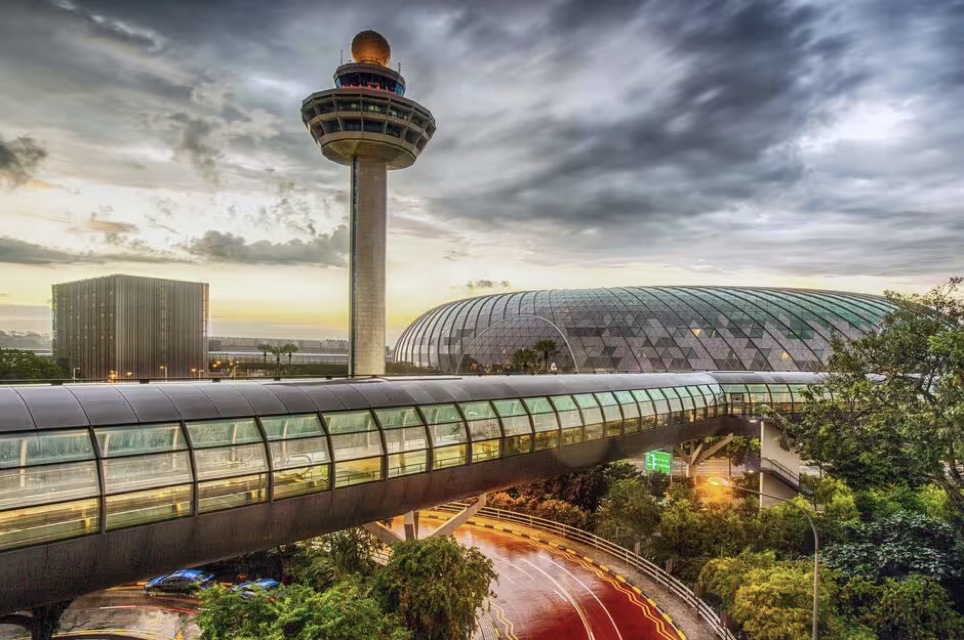
The city is now a leading global powerhouse in financial and sustainability spheres (Image: Getty)
“Our approach has been to build a liveable and sustainable city, through pragmatic policymaking based on sound economic principles and science,” Mr Zulkifli said, “[alongside] a focus on long-term planning and effective implementation; and the ability to mobilise popular support for the common good.”
Needle-Free Blood Glucose Meter for Seniors in Singapore – Prices May Surprise You!
Singapore undeniably benefited from having a single, centralised government with its best interests at heart – but its trajectory from East India Company trading post to half-illiterate, slum-filled land mass and, finally, the country with the fourth highest GDP per capita in the world is impressive by any measure.
Its population is now 98 percent literate, it consistently ranks highly for its standards of living and education system and, according to the Green City Index of 2016, it was at one point the greenest city in Asia. Despite setbacks from Covid, the state’s GDP is expected to rise by 2.1 percent in 2024 – and, as well as being a financial powerhouse, its ‘City in a Garden’ moniker is indicative of Singapore’s beautiful meshing of the natural and the urban.
Whether Prime Minister Lee foresaw the iconic architecture of Marina Bay Sands and the indoor gardens of Jewel Changi Airport when he first dreamed of the green metropolis back in 1967, it’s unlikely his ambitions would have dared to aim for the heights that modern-day Singapore has so triumphantly achieved.
RELATED ARTICLES
•
The incredible £15B mega port that will transform beautiful but tiny country
•
Huge £7.7bn project set to bring 50m more passengers to ‘world’s best airport’
•
The brand new £14bn African city that will ‘rival Dubai and Singapore’
•
‘I swapped UK for Singapore — Keir Starmer will push many others to do same’
•
New £280.6m planes for world’s longest flight set to arrive in 2026
 မှတ်ဖွယ်မှတ်ရာ စာပဒေသာ


