

တ၇ုတ်ပြည်ရဲ့ မဟာတံတိုင်း ကြီးအကြောင်း သိကောင်းစရာ ။ The Great Wall of China
လူ့သမိုင်းတစ်လျှောက်တည်ဆောက်ခဲ့ဖူးသမျှမှာ အရှည်လျားဆုံးအရာကြီးတစ်ခုဖြစ်တဲ့ မဟာတံတိုင်းကြီးဆိုတာဟာ တရုတ်ပြည်နဲ့ သူတို့နိုင်ငံသူနိုင်ငံသားတွေအတွက် တန်ဖိုးမဖြတ်နိုင်တဲ့ ပြယုဂ်ကြီးတစ်ခုပါ။ ဒါဆိုရင် ဒီလိုတရုတ်ပြည်ရဲ့ တန်ဖိုးဖြတ်လို့မရတဲ့ တံတိုင်းကြီးကိုဘယ်လိုတည်ဆောက်ခဲ့ကြတာလဲ။ ဘာတွေကိုရော စတေးခဲ့ကြလဲ စတဲ့အကြောင်းတွေကို ဒီဗီဒီယိုထဲမှာ ကြည့်လိုက်ရအောင်….
တရုတ်ပြည်၏ မဟာတံတိုင်း အကြောင်း သိကောင်းစရာ ၁၀ ချက်
Egyptology – Pyramid Construction
How the Panama Canal Was Built / The Engineering that Built the World
မြန်မာနိုင်ငံရှိ အကြီးဆုံး ဆည်တမဖ့ ကြီးများ
California’s New $ 4 BN Mega Reservoir
California is in the middle of a major drought. On top of that they regularly face floods. In this video, we’ll look at this strange situation, and the multi-billion-dollar mega dam which the state will use to fix it. For more skyscraper & megaproject content make sure to subscribe to Top Luxury!
Tomorrow City , SINGAPORE . 10 videos
1 – Building theWorld’s Longest Undersea Railway – The Channel Tunnel Story
Reveal the epic challenges faced by over 13,000 workers, from battling the elements to overcoming technological hurdles, culminating in the completion of a colossal collaboration connecting Britain and France.
The Channel Tunnel, or “Chunnel,” connects the United Kingdom and France under the English Channel and is a magnificent feat of engineering. This innovative project’s construction started in 1988 and ended in 1994. The English Channel Tunnel Connects United kingdom and France By Rail network. This Tunnel is the world longest under water tunnel. This video will explain how the world longest underwater tunnel was built
The Channel Tunnel or Euro Tunnel was an extremely complex engineering and construction undertaking. More than 13,000 people on both sides of the Channel worked on the project, making use of cutting-edge technology and methods.
To create the underwater tunnels, enormous tunnel boring machines (TBMs) were used. These TBMs might gnaw through the chalky subsoil beneath the ocean floor. The soil and rock were hauled away for reuse in landscaping and land restoration.
During construction, worker safety was of utmost importance due to the presence of hazardous geological features and the possibility of water infiltration. To protect the safety of its users, the English Channel tunnel was precisely planned with escape routes and high-tech ventilation systems.
The engineers had a difficult task ahead of them in joining the tunnel’s two ends. To get the two pieces of tunnel to line up perfectly, they used cutting-edge surveying and positioning technologies.
The train which travel between United Kingdom and France Through English Channel Tunnel is also called Euro Tunnel Train.
The Channel Tunnel or Euro Tunnel is a symbol of international cooperation and human inventiveness. It has opened up new opportunities for business, travel, and tourism between the United Kingdom and France. The Chunnel is a symbol of what can be achieved when imaginative ingenuity and tenacity are combined, and it continues to be one of the most recognizable engineering feats in the modern world
Video Content__________________________
00:00 Intro
00:51 Idea and Early Plans
01:50 Political Challenges
02:20 Geology and Environmental Concerns
03:23 Construction Process
04:41 Risks and Obstacles
05:33 Inauguration
06:41 Future Developments
The Biggest MEGAPROJECT World Records
The Biggest Megaprojects Records in the World! In this video, we go over the World’s Tallest Tower, the World’s Tallest Bridge, the Biggest Airport in the World, and the Longest Train Tunnel in the World! For more megaproject content be sure to subscribe to Top Luxury. Thanks for watching this video: The Biggest Megaproject World Records
Check Out These Videos:
Biggest Megaprojects in the World
 • Biggest Megaprojects in the World
World’s Most Extreme Construction Sites
 • World’s Most Extreme Constructio…
Most Expensive Construction Projects Ever Built
• Most Expensive Construction Proj…
Megaprojects #Construction #Engineering
Architecture 24 / 32 videos
A Journey into Orleans’ underground drainage system
We’re taking you to a place in New Orleans very few people have ever been or seen. We’re heading underground, into one of the city’s subsurface canals.
They’re crucial to preventing the city from flooding, but as we saw this summer after major flood events, parts of the canal system have been clogged with debris — including a car.
To get more perspective on what we’re dealing with when it comes to these canals, we got exclusive access.
FULL STORY: https://www.wwltv.com/article/ne…
Reckoning with New Orlean flooding ,a teenager investigate the city’s water pumps
EarthMonthPBS
High school student and poet, Chasity Hunter, experienced intense flooding in her New Orleans neighborhood during both Hurricane Katrina and recent summer rainstorms. Inspired to find out how safe her city really is, she investigates her city’s infrastructures and questions water experts ,finding her own voicee along the way
S1 billion Beipanjiang Bridgeworld’s highest bridge in China
This is a story of pushing beyond limits and embracing the unknown. China has constructed the world’s highest bridge, accomplishing it in a remarkable three years. The completion of this bridge not only showcases a significant breakthrough in science and technology but also presents a miracle where the impossible becomes possible.
China’s rapid economic development has brought numerous large-scale construction projects to the forefront, including the Sichuan-Tibet Railway and the Baihetan Hydropower Station. However, when it comes to advanced bridge engineering, Guizhou, China stands out. As the saying goes, eight out of the world’s top ten highest bridges are located in Guizhou. Among them, the most impressive is the “Beipanjiang Bridge,” renowned as the highest bridge globally, with a total height exceeding 565 meters. Some even compare driving on this bridge to flying an airplane.
The Beipanjiang Bridge is situated in western Guizhou, characterized by its karst landforms with steep gullies and clusters of karst caves. The bridge spans the Beipan River, which separates Yunnan and Guizhou provinces. Construction on the Beipanjiang Bridge began in 2013, undertaken jointly by China’s West China Design Institute and China Railway Construction Corporation, with a total investment of 1 billion yuan.
The suspension bridge stretches 1341.4 meters across the Beipanjiang Canyon, with a vertical height of 565 meters from the bridge deck to the valley bottom, equivalent to the height of a 200-story building. By the end of 2014, the main structure of the bridge was completed, and in June 2016, it was fully opened to traffic. This significantly reduced travel time between Liupanshui City and Xuanwei City from five hours to one hour. The astonishingly short construction period of only three years has earned it the reputation of a miracle in Chinese construction history. Surpassing the Haijijiao Canyon Bridge, the tallest bridge in foreign countries, the Beipanjiang Bridge aspires to become the highest bridge globally
, the construction of the world’s tallest bridge faced skepticism from some American experts. They believed that completing such a large-scale project in just three years was impossible. They also expressed doubts about the bridge’s durability, questioning its ability to withstand heavy traffic and natural disasters. Nevertheless, the bridge, costing over 1 billion yuan, defied expectations and became a reality within three years. Utilizing cutting-edge technologies and overcoming numerous challenges, Chinese scientists and construction workers accomplished what was initially deemed impossible.
Upon completion of the Beipanjiang Bridge, American experts were amazed and impressed. They praised the strength and expertise of Chinese engineers and construction workers, acknowledging China’s leadership in global construction technology and expressing the need to learn from them.
HighestBridge#MagnificentBridge#Miracle
China Built World’s Longest Sea Bridge Only To Abandon It
China built the world’s longest sea-crossing bridge: The Hong Kong-Zhuhai-Macau Bridge. President Xi Jingping has envisioned to increase interaction between China, Hong Kong and Macau with this longest sea bridge. But years later, the bridge remaines empty. Join us today as we explore this megaproject.
For more Mega Construction & Megaproject content be sure to subscribe to Billion Dollar Builds. Thanks for watching this video. #megaprojects #construction #engineering
Channel inspired by: B1M & Top Luxury
► For business related matters relating to our channel (including media & advertising) please contact: billiondollarbuilds@gmail.com
China’s Mega Bridges – Amazing Modern Fastest Bridge Construction Technology / China Speed
has always been known as the father of bridges in the world and a veritable infrastructure madman. Watch this review of Chinese bridge construction and tell us what you think in the comments. Enjoy!
megaprojects #construction #bridgeconstruction
China’s New $6.7 BN Bridge Shocked the World
Discover the marvel of the Shenzhen-Zhongshan bridge, a $6.7 billion engineering feat in southern China. This 24-kilometer cross-sea passage, featuring two bridges, underwater tunnels, and man-made islands, sets 10 world records and drastically cuts travel time between Zhongshan and Shenzhen from two hours to just 30 minutes. Learn about its construction challenges, impressive features, and the impact on regional connectivity and economic growth in the Greater Bay Area. How does it compare to the Hong Kong-Zhuhai-Macau Bridge? Find out in this comprehensive overview. Don’t forget to like, share, and comment with your thoughts on this groundbreaking project!
Biggest Megaprojects : Tunnel,Bridge & Skyscraper Construction / Full Documentary
Megaprojects: Tunnel, Bridge & Skyscraper Construction | Full Documentary
Welcome to Luxified! On this channel you can enjoy video’s about luxury, megaprojects, architecture and more! Please subscribe to the channel, leave a like and comment down below what your thoughts are on this video!
For contact or any copyright related inquires, reach out here: luxified22[at]outlook.com
Panama Canal . Island Princes
This video is about Panama Canal. Island Princess.
More from this trip: • Panama Canal | How the Locks Wor…
Information about the canal, from Wikipedia-
The Panama Canal (Spanish: Canal de Panamá) is an artificial 82 km (51 mi) waterway in Panama that connects the Atlantic Ocean with the Pacific Ocean. The canal cuts across the Isthmus of Panama and is a conduit for maritime trade. One of the largest and most difficult engineering projects ever undertaken, the Panama Canal shortcut greatly reduces the time for ships to travel between the Atlantic and Pacific oceans, enabling them to avoid the lengthy, hazardous Cape Horn route around the southernmost tip of South America via the Drake Passage or Strait of Magellan and the even less popular route through the Arctic Archipelago and the Bering Straits .
The Engineering Marvel called Panama Canal
Mexico’s $ 4.5 BN Panama Canal Rival
The Panama Canal has powered global trade for over a hundred years. There’s no better way to transport goods from the Atlantic Ocean to the Pacific — but maybe, that’s about to change. Mexico is about to open a new project: the Interoceanic Corridor of the Isthmus of Tehuantepec. But what is this thing? And will it replace the Panama Canal?
For more megaproject content make sure to subscribe to Top Luxury!
Mexico’s $ 7.5B Gamble to Disrupt the Panama Canal
The World Bank is poised to repeat the mistakes of the past in its embrace of megadams
INTERNATIONAL RIVERS : People, Water , Life
• Facebook
Twitter
Flickr
Instagram
DONATE NOW
OCTOBER 23, 2024
By Joshua Klemm, Co-Executive Director
As world leaders gather this week in Washington, DC for the World Bank’s Annual Meetings, over 100 civil society organizations are raising the alarm over the World Bank’s plans to lend billions of dollars for ill-conceived and destructive megadams around the world. A letter sent to the World Bank today notes these plans “will not bring reliable, environmentally sustainable, affordable, accessible electricity” and fail to consider lessons from the Bank’s past failures and ongoing challenges for dam-affected communities seeking redress.
The Bank’s imminent approval of the Rogun dam in Tajikistan would be among the more egregious projects in recent memory. The dam – slated to be the world’s tallest – would displace 60,000 people, irreparably harm the livelihoods of tens of thousands of more, and destroy vast stretches of riparian ecologies in violation of the Bank’s own environmental and social standards. With a conservative price tag of over $11 billion, Rogun would rank among the costliest dams ever built and by far the largest dam the Bank will have supported in decades. With project completion projected to take at least another 15 years, Rogun’s electricity will be significantly more expensive than readily available alternatives. In the short-term, there remain significant risks, cited by the IMF, that the costs of constructing Rogun could lead to an unsustainable debt burden while preventing needed public investments in other sectors, including health and education.
The proposed Upper Arun dam in Nepal and its associated cascade of dams have engendered serious concern over the expected physical, cultural and economic dislocation of Indigenous Peoples without their consent, as required by World Bank policy. At the same time, Nepal’s hydropower output has been and will continue to be curtailed by climate change, while the growing risk of glacial lake outburst floods in the Himalayas poses existential threats to millions downstream. In September last year, the brand new, $1 billion Chungthang dam on the Teesta River washed away in minutes, impacting tens of thousands.
The World Bank’s apparent interest in re-engaging on the ill-fated Inga project in the Democratic Republic of Congo (DRC) is even more inexplicable. Eight years on since it was forced to cancel its $73 million investment in what has been promoted as the world’s largest hydropower scheme, the Bank is trying once again to revive a project that has for decades seen a revolving cast of actors come and go, leaving a trail of broken promises. Congolese civil society and communities have long criticized the project for its expected impacts that would include the displacement of 30,000 people, many of whom were displaced and impoverished by dams previously built at the Inga site; the debt burden that generations of Congolese would be saddled with; and the massive opportunity cost of not exploring energy options better suited to addressing persistent energy poverty.
Unfortunately, none of this is new. The World Bank’s voracious appetite for dams and the resulting legacy of environmental and social impacts led to the creation of the World Commission on Dams (WCD) process, whose recommendations still serve as the standard for how to avoid the worst impacts of dams and whose lessons remain highly relevant today. The WCD process also precipitated a relative fallow period for the Bank in funding new dams, though the size and scale of projects currently under consideration suggests the Bank once again plans to take up the mantle as a prominent financier of megadams.
However, times have changed, and the conditions for developing new dams have worsened considerably in recent years. Large hydropower has rightly fallen out of favor around the world, experiencing several years of decline globally in the face of high costs, dwindling output, the declining costs of renewable alternatives, the steep environmental and social costs, and the climate crisis upending its rationale and purported benefits. The World Bank should learn from the hard-earned lessons of its past and invest in real renewable energy solutions rather than megadams.
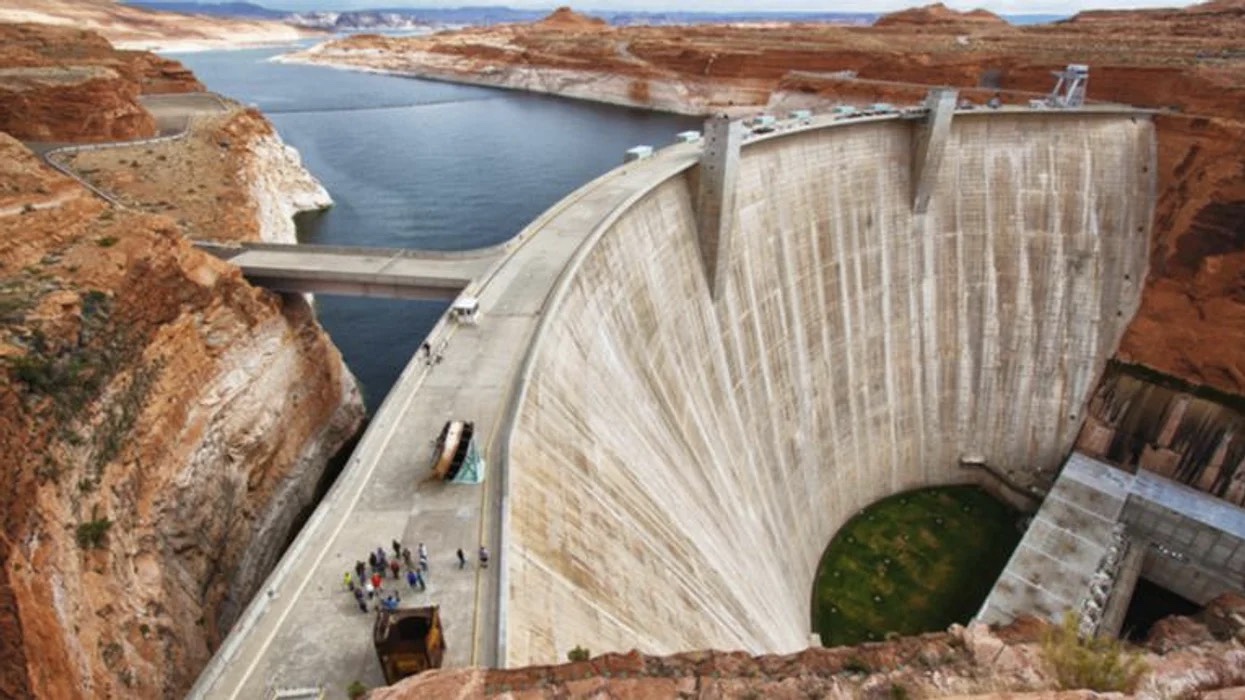
Featured Photo: Glen Dam in Page, Arizona (Shutterstock)
Constructing the Wonder : Hoover Dam Secrets Revealed
Let’s explore the amazing engineering behind the construction of Hoover dam in this video. I would truly appreciate your support on Patreon – / sabins
 မှတ်ဖွယ်မှတ်ရာ စာပဒေသာ