

ဘာကြောင့် တရက် နှစ်ကြီမ်။ ဒီရေ တက်တာလဲ ဒီရေတက်တာ လရဲ့ ဆွဲအားကြောင့်လို့ ပြောကြပါတယ်။ ဒါပေမယ့် ကမ္ဘာ့ မျက်နှာပြင်ပေါ် သက်ရောက်တဲ့ နေရဲ့ ဆွဲအားဟာ လထက် အဆ ၂၀၀ ခန့် ပိုများပါတတယ်။ ဒါဆို နေကြောင့်ကျတော့ ဘာ့ကြောင့် ဒီရေ မတက်ရတာလဲ။ နောက်ပြီး လဆွဲအားနဲ့ ဝေးတဲ့ ဖက်ခြမ်းမှာရော ဘာ့ကြောင့် ဒီရေ တက်ရတာလဲ။
Ocean Tides Explained
This video is the result of my sabbatical research into some of the lesser-known aspects of ocean tides (but also covers the basics).
Here are some of the references that I used and which you might find useful if you want more details on any of the topics:
Tides (book) by Jonathan White: https://thejonathanwhite.com/tides/
King Tides: • King Tides | Full Spectrum Scien…
Good Tide Explanation (What Physics Teachers Get Wrong): • What Physics Teachers Get Wrong …
Satellite Tide Animation: • Global Ocean Tides
Major Lunar Standstill Paper by Dr. Judith Young: https://www.umass.edu/sunwheel/p…
3-D Earth/Moon animation: https://www.earthspacelab.com/ap…
2-D Earth/Moon/Sun phet: https://phet.colorado.edu/sims/h…
Amphidromic Systems Lecture: • Tides Explained: The Dynamic Theory
How Do Tides Occur ? Low Tide .High Tide ,Spring Tide , Neap Tide
• How Do Tides Occur? Low tide, Hi…
Tides are very long waves that move across the oceans. They are caused by the gravitational forces exerted on the earth by the moon, and to a lesser extent, the sun. Tides are the rise and fall of sea levels caused by the combined effects of the gravitational forces exerted by the Moon and the Sun, and the rotation of the Earth.
To understand the tides it is easiest to start with the effect of the Moon on Earth. As the Moon revolves around our planet, its gravity pulls Earth toward it.
whendolowtidesoccur typesoftides whatislowtide whatishightideandlowtide whendospringtidesoccur springtide neaptide differencebetweenhightideandlowtide whatisatide differencebetweenhightideandlowtide howmanyhightidesarethereinaday whatcauseslowtides moonandtides centrifugalforce neapandspringtides tidesofocean moontides hightide lowtide neaptide howtideswork oceantides
How the tides REALLY work
Learn more at Waterlust.com
Join marine physicist Dr. Patrick Rynne as he explores the science behind the tides, what creates earth’s tidal bulges, and why the tides are bigger in some places than others.
Special thanks to artist Sarah Cameron Sunde who provided some awesome timelapses of the tidal cycle from her project “36.5 / A Durational Performance with the Sea, 2013 – 2022”. If you’re a fan of the tide, definitely check out her work at http://www.36pt5.org
Netherlands : Polders and Windmills- Rick Steve’s’ Europe Travel Guide – Travel Bite
the full episode:  • The Netherlands: Beyond Amsterdam Holland’s polder land was once covered by the sea, but it was eventually encircled by dikes and dams, then drained. To pump out all that water, the Dutch used one of their leading natural resources: the wind. More info about travel to the Netherlands: https://www.ricksteves.com/europ… #ricksteveseurope #netherlands #ricksteves
Visit http://www.ricksteves.com for more information about this destination and other destinations in Europe.
Check out more Rick Steves’ Europe travel resources:
• “Rick Steves’ Europe” public television series: https://www.ricksteves.com/watch…
• “Travel with Rick Steves” public radio program: https://www.ricksteves.com/watch…
• European Tours: https://www.ricksteves.com/tours
Lessons from Holland on fighting rising sea levels
Windmills are more than just a traditional part of the Dutch landscape; they have played a key role in the war Holland has waged against the sea for centuries. Today the Dutch are using ever-more innovative methods to combat rising sea levels, strategies that may also benefit other nations confronting the effects of climate change. Martha Teichner reports. Originally broadcast on May 21, 2017.
Subscribe to the “CBS Sunday Morning” Channel HERE: http://bit.ly/20gXwJT
Get more of “CBS Sunday Morning” HERE: http://cbsn.ws/1PlMmAz
Follow “CBS Sunday Morning” on Instagram HERE: http://bit.ly/23XunIh
Like “CBS Sunday Morning” on Facebook HERE: http://on.fb.me/1UUe0pY
Follow “CBS Sunday Morning” on Twitter HERE: http://bit.ly/1RquoQb
ရန်ကုန် မြစ် ထူးကဲ ဒီရေတက် မြစ်ရေလျှံ ၊မြေနိမိ့ပိုင်းတွေ ရေမြုပ် ။
Climate Action
What Is Climate Change?
Climate change refers to long-term shifts in temperatures and weather patterns. Such shifts can be natural, due to changes in the sun’s activity or large volcanic eruptions. But since the 1800s, human activities have been the main driver of climate change, primarily due to the burning of fossil fuels like coal, oil and gas.
Burning fossil fuels generates greenhouse gas emissions that act like a blanket wrapped around the Earth, trapping the sun’s heat and raising temperatures.
The main greenhouse gases that are causing climate change include carbon dioxide and methane. These come from using gasoline for driving a car or coal for heating a building, for example. Clearing land and cutting down forests can also release carbon dioxide. Agriculture, oil and gas operations are major sources of methane emissions. Energy, industry, transport, buildings, agriculture and land use are among the main sectors causing greenhouse gases.
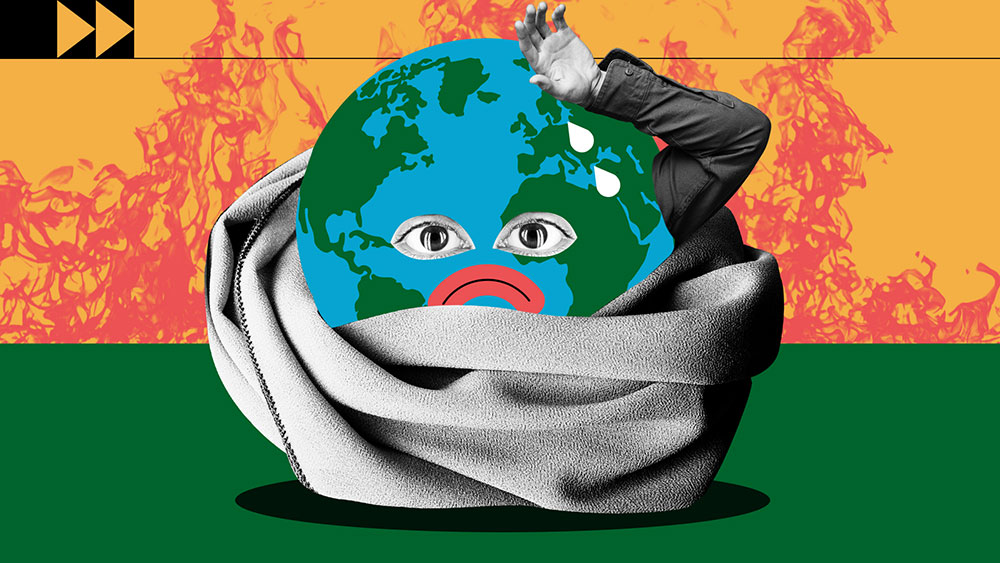
Humans are responsible for global warming
Climate scientists have showed that humans are responsible for virtually all global heating over the last 200 years. Human activities like the ones mentioned above are causing greenhouse gases that are warming the world faster than at any time in at least the last two thousand years.
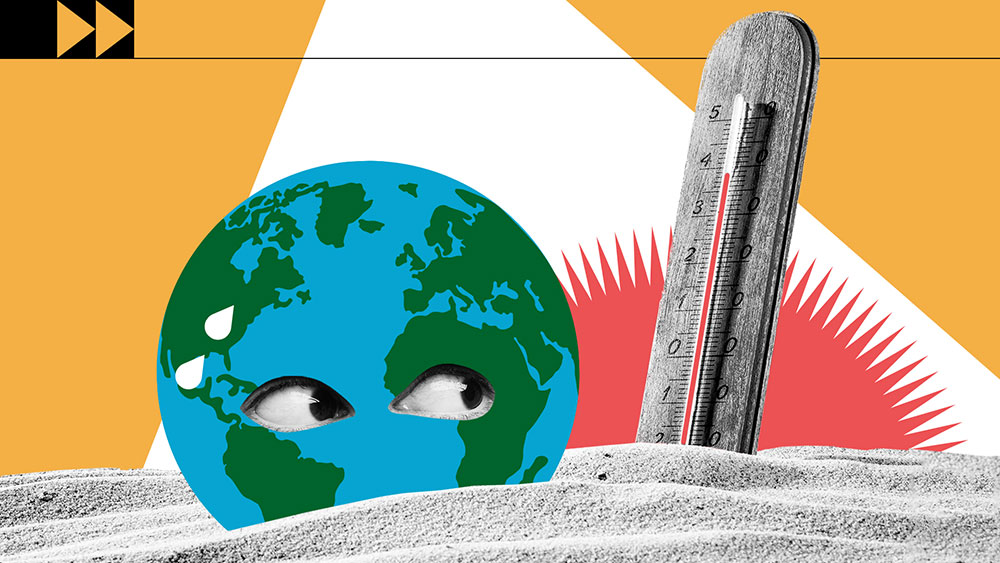
The average temperature of the Earth’s surface is now about 1.2°C warmer than it was in the late 1800s (before the industrial revolution) and warmer than at any time in the last 100,000 years. The last decade (2011-2020) was the warmest on record, and each of the last four decades has been warmer than any previous decade since 1850.
Many people think climate change mainly means warmer temperatures. But temperature rise is only the beginning of the story. Because the Earth is a system, where everything is connected, changes in one area can influence changes in all others.
The consequences of climate change now include, among others, intense droughts, water scarcity, severe fires, rising sea levels, flooding, melting polar ice, catastrophic storms and declining biodiversity.
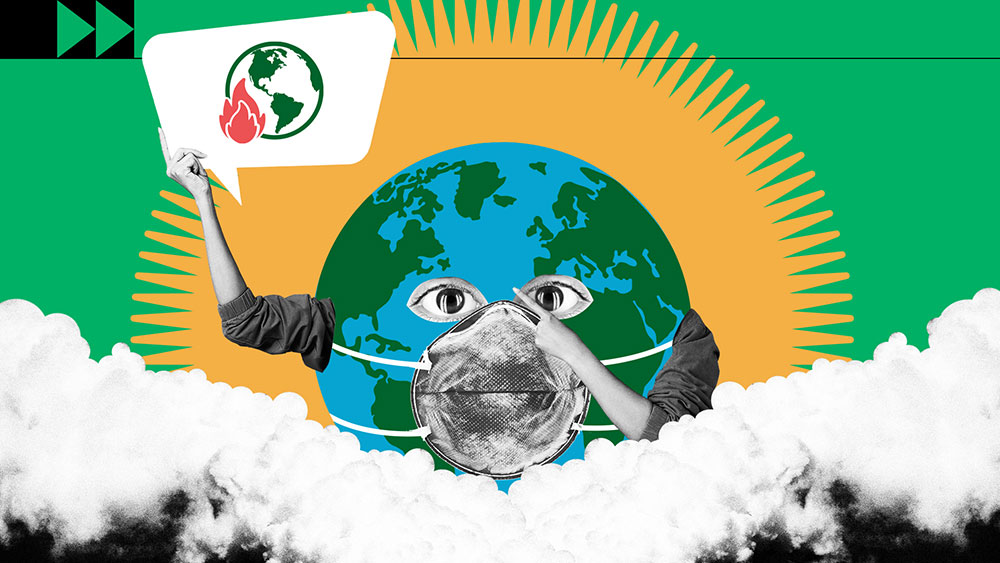
People are experiencing climate change in diverse ways
Climate change can affect our health, ability to grow food, housing, safety and work. Some of us are already more vulnerable to climate impacts, such as people living in small island nations and other developing countries. Conditions like sea-level rise and saltwater intrusion have advanced to the point where whole communities have had to relocate, and protracted droughts are putting people at risk of famine. In the future, the number of people displaced by weather-related events is expected to rise.
Every increase in global warming matters
In a series of UN reports, thousands of scientists and government reviewers agreed that limiting global temperature rise to no more than 1.5°C would help us avoid the worst climate impacts and maintain a livable climate. Yet policies currently in place point to up to 3.1°C of warming by the end of the century.
The emissions that cause climate change come from every part of the world and affect everyone, but some countries produce much more than others.The six biggest emitters (China, the United States of America, India, the European Union, the Russian Federation, and Brazil) togehter accounted for more than half of all global greenhouse gas emissions in 2023. By contrast, the 47 least developed countries accounted for only 3 per cent of global greenhouse gas emissions.
Everyone must take climate action, but people and countries creating more of the problem have a greater responsibility to act first.
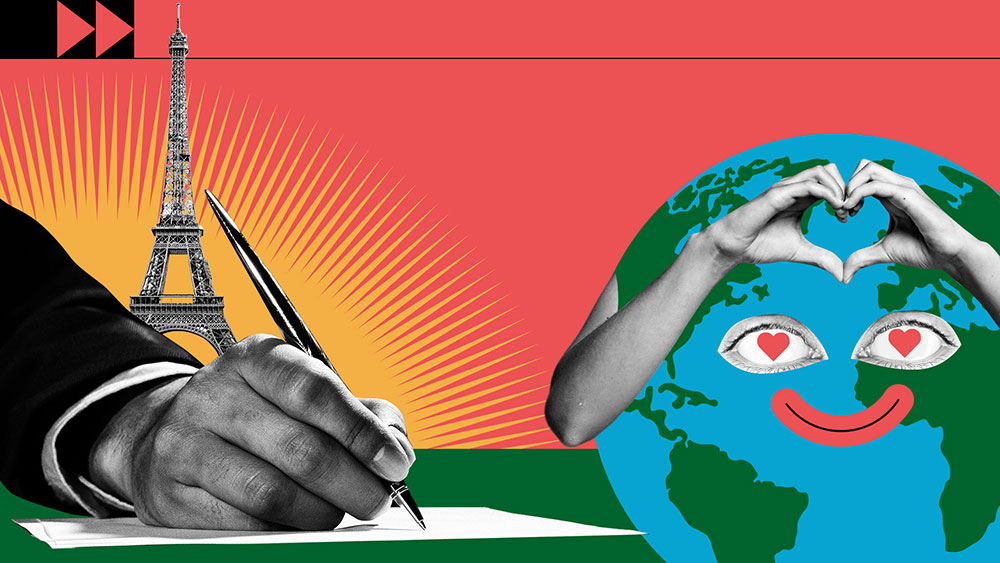
We face a huge challenge but already know many solutions
Many climate change solutions can deliver economic benefits while improving our lives and protecting the environment. We also have global frameworks and agreements to guide progress, such as the Sustainable Development Goals, the UN Framework Convention on Climate Change and the Paris Agreement. Three broad categories of action are: cutting emissions, adapting to climate impacts and financing required adjustments.
Switching energy systems from fossil fuels to renewables like solar or wind will reduce the emissions driving climate change. But we have to act now. While a growing number of countries is committing to net zero emissions by 2050, emissions must be cut in half by 2030to keep warming below 1.5°C. Achieving this means huge declines in the use of coal, oil and gas: production and consumption of all fossil fuels need to be cut by at least 30 per cent by 2030 in order to prevent catastrophic levels of climate change.
Adapting to climate consequences protects people, homes, businesses, livelihoods, infrastructure and natural ecosystems. It covers current impacts and those likely in the future. Adaptation will be required everywhere, but must be prioritized now for the most vulnerable people with the fewest resources to cope with climate hazards. The rate of return can be high. Early warning systems for disasters, for instance, save lives and property, and can deliver benefits up to 10 times the initial cost.
We can pay the bill now, or pay dearly in the future
Climate action requires significant financial investments by governments and businesses. But climate inaction is vastly more expensive. One critical step is for developed countries to support developing countries so they can adapt and move towards greener economies.
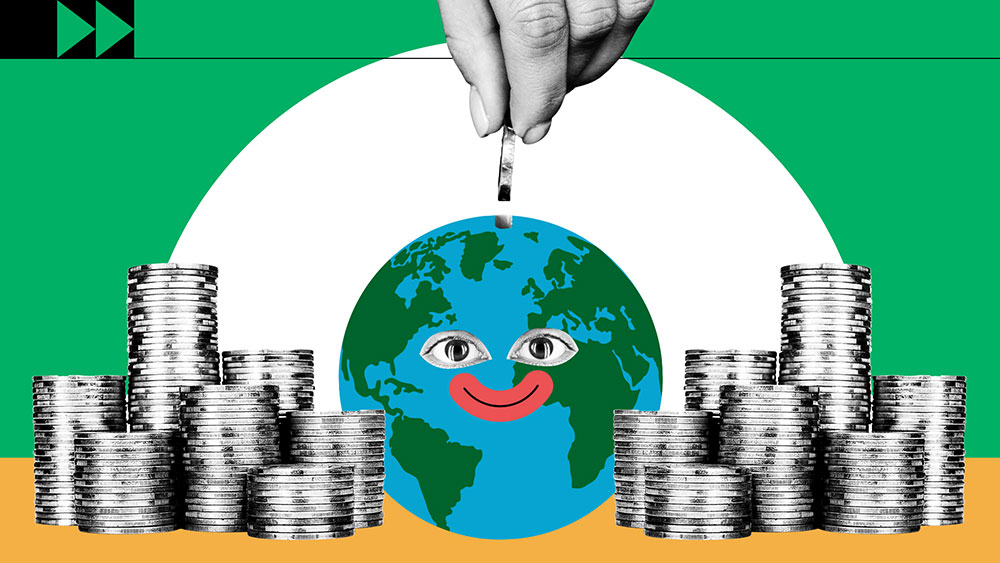
To get familiar with some of the more technical terms used in connection with climate change, consult the Climate Dictionary.
ဘာကြောင့် တရက် နှစ်ကြီမ်။ ဒီရေ တက်တာလဲ COMMENTS. ဒီရေတက်တာ လရဲ့ ဆွဲအားကြောင့်လို့ ပြောကြပါတယ်။ ဒါပေမယ့် ကမ္ဘာ့ မျက်နှာပြင်ပေါ် သက်ရောက်တဲ့ နေရဲ့ ဆွဲအားဟာ လထက် အဆ ၂၀၀ ခန့် ပိုများပါတတယ်။ ဒါဆို နေကြောင့်ကျတော့ ဘာ့ကြောင့် ဒီရေ မတက်ရတာလဲ။ နောက်ပြီး လဆွဲအားနဲ့ ဝေးတဲ့ ဖက်ခြမ်းမှာရော ဘာ့ကြောင့် ဒီရေ တက်ရတာလဲ။
 မှတ်ဖွယ်မှတ်ရာ စာပဒေသာ