

Netherlands : Polders and Windmills –
Watch the full episode:  • The Netherlands: Beyond Amsterdam Holland’s polder land was once covered by the sea, but it was eventually encircled by dikes and dams, then drained. To pump out all that water, the Dutch used one of their leading natural resources: the wind. More info about travel to the Netherlands: https://www.ricksteves.com/europ… #ricksteveseurope #netherlands #ricksteves
Visit http://www.ricksteves.com for more information about this destination and other destinations in Europe.
Check out more Rick Steves’ Europe travel resources:
• “Rick Steves’ Europe” public television series: https://www.ricksteves.com/watch…
How the Dutch Beat the Ocean / Why Amsterdam Has Canals
It’s the Dutch V. The Ocean. The Dutch Are Winning.
Get two months of free skillshare with this link: https://skl.sh/johnnyharris3
Music by Tom Fox: https://open.spotify.com/artist/…
While in Amsterdam I read this book called “The Dutch and their Delta” which helped me gather lot of the info for this video. Also huge thanks for Emiel Dijkman who sent me some amazing dutch language resources for this video!
Amsterdam #Netherlands #DutchCulture
I make all my maps using this After Effects Plugin: https://aescripts.com/geolayers/…
Sea Rising and Floods – Tremendous Threat Of Water / Documentary
Water is a precious resource that sustains life, but its delicate balance is now threatened by the pressing issue of climate change.
Driven by the accumulation of greenhouse gases, primarily from human activities like burning fossil fuels and deforestation, climate change has far-reaching consequences. One of the most visible and concerning outcomes is the rising sea levels. As Earth’s temperature increases, polar ice sheets and glaciers melt, and seawater expands due to higher temperatures, causing oceans to encroach upon coastal areas. This sea level rise threatens coastal communities, delicate ecosystems, and vital infrastructure, intensifying the frequency and severity of coastal flooding, storm surges, and erosion. Urgent action to mitigate greenhouse gas emissions, alongside innovative adaptation strategies, is essential to curb sea level rise and safeguard our planet’s coasts for current and future generations.
Documentary: planet e.: Refugees from Climate Change
Floating cities as an innovative response to climate change / DW Documentary
levels are rising due to climate change. Many coastal cities are at growing risk of flooding. Architects are trying to react to this development with new ideas, such as floating cities. But this concept is not without its problems.
Architect Koen Olthuis is constructing a floating city in the Maldives, sustainably cooled with sea water. In the Netherlands, Sacha and Jan live in a waterborne section of the Steigereiland neighborhood. It’s based on a complicated feat of engineering – but also depends on cooperation and solidarity. If one home is too heavy, it raises the one next door. Yet Sacha and Jan like its collaborative nature. The residents of the floating neighborhood all love living by the water, not far from the heart of Amsterdam.
In Germany, a University of Kiel project goes even further. Biologist Martina Mühl is researching the possibility of implementing aquaculture very close to home, so residents can tap their own fresh local supply of fish and seafood.
Hamburg and Bremen have been responding to rising tides by constructing ever higher levees. But soon even this will no longer be enough to cope with the growing impact of climate change. This documentary shows possible alternatives to levees and how we might be able to cope with the rising sea levels in the future.
Climate Change in the Netherlands – Pioneering coastal management / DW Documentary
The Netherlands is a frontrunner in innovative coastal management. After all, around a third of the country is below sea level. As the Dutch set about modernizing their dykes, they hope that a marsh grass will help stem the rising tides.
In the Netherlands, climate change is far more than an abstract future danger. With sea levels rising, coastlines are set to be hit more frequently by floods in the future. Scientists at the Royal Netherlands Institute of Sea Research are looking for new ways of protecting their country’s dykes and seawalls. They discovered that common cordgrass can slow down incoming waves and soften their impact. The next challenge was how to plant the grass in mudflats without it being repeatedly washed away by the tides. Their solution: a lattice structure made of potato starch. In addition to coastal protection, however, the Netherlands also has researchers looking at the potential for using seaweed to benefit the climate as a food source or a plastic substitute. Elsewhere, a floating farm in Rotterdam produces dairy products while boasting a drastically lower carbon footprint. And Amsterdam is now home to neighborhoods comprising floating homes. On the coastal management and climate protection fronts, the Netherlands has expertise that is in growing global demand.
documentary #dwdocumentary #netherlands #climatechange
DW Documentary gives you knowledge beyond the headlines. Watch top documentaries from German broadcasters and international production companies. Meet intriguing people, travel to distant lands, get a look behind the complexities of daily life and build a deeper understanding of current affairs and global events. Subscribe and explore the world around you with DW Documentary.
အင်းလေးကန်ထဲမှ ဘဝများOPINION
PUBLISHED 14 SEPTEMBER 2015 စည်သာ (တောင်ကြီး)
FacebookMessengerTelegramViberEmail
ရှမ်းပြည်နယ်တောင်ပိုင်းတွင် နိုင်ငံခြားသားခရီးသည် အများဆုံးဝင်ရောက်ရာ နေရာကိုပြပါဆိုရင်ဖြင့် ယူနက်စကိုစာရင်းဝင် မြန်မာတွင်သာမက ကမ္ဘာတစ်လွှားတွင်ပါ နာမည်ကျော်ကြားသော အင်းလေးကန်ကြီးကို ပြရမည်ဖြစ်သည်။
အင်းလေးကန်ဟုဆိုလိုက်လျှင် လှေကို လက်နဲ့မလှော် ခြေထောက်နဲ့လှော်သော တစ်ကမ္ဘာလုံးတွင် တစ်နေရာသာရှိသည့် ရေပေါ်လူနေမှုစနစ်ရှိသည့် အသိုက်အဝန်း လေးလည်းဖြစ်သည်။ ထိုသို့ ခြေထောက်ဖြင့် လှေလှော်သည်က အင်းသားတို့၏ အထင်ကရ သင်္ကေတပုံရိပ်တစ်ခုအဖြစ် ကျော်ကြားထင်ရှားလှသဖြင့် အင်းသားတို့က “ကမ္ဘာကျော်တဲ့ တို့အင်းသား” ဟုသီချင်းဖြင့် တင်စားကြွားဝါ ဂုဏ်ယူတတ်ကြလေ့ ရှိပါသည်။ အင်းလေးကန်တွင် ရွာပေါင်း ၄၀၀ ကျော် တည်ရှိပြီး လူဦးရေတစ်သိန်းခွဲကျော် နေထိုင်လျက်ရှိပါသည်။ တောင်ကြီးခရိုင်ညောင်ရွှေ ချိုင့်ဝှမ်းမှာတည်ရှိတဲ့ ကမ္ဘာ့သက်တမ်းရင့် ကုန်းတွင်းရေချိုကန်ကြီးဖြစ်ကာ မြန်မာပြည်ရဲ့ ဒုတိယအကြီးဆုံးကန်ဖြစ်ပြီး ပင်လယ်ရေ မျက်နှာပြင်အထက် ပေ ၂၉၀၀ ကျော် တည်ရှိပါသည်။
အင်းလေးကန်တွင်း မှီတင်းနေထိုင်ကြကုန်သော လူတန်းစားများမှာ ကျွန်းမျောစိုက်တောင်သူများ၊ ဈေးရောင်းဈေးဝယ်ကြသူများ၊ အထည်ချုပ်လုပ်ငန်းလုပ်ကိုင်ကြသူများ၊ တံငါသည်များ၊ စားသောက်ဆိုင်၊ ဈေးဆိုင်များနှင့် စက်လှေမောင်းသမားများ၊ ကြုံရာကျပန်း လုပ်သူများလည်းရှိကြသည်။
အင်းလေးကန်တွင်း နေထိုင်ကြသော လူဦးရေ ရာခိုင်နှုန်း ၈၀ ခန့်သည် ကျွန်းမျောဟု အင်းသားတွေခေါ်သော ရေခြံလုပ်ငန်းကို အများစုလုပ်ကိုင်ကြခြင်းဖြစ်သည်။ ရေခြံဟုခေါ်သော ကျွန်းမျောကြီးများပေါ်တွင် အင်းသားများသည် တစ်နှစ်လျှင် နှစ်သီး ခန့်အထိ ခရမ်းချဉ်သီးများကို စိုက်ပျိုးကြပြီး၊ အခြားလယ်ယာလုပ်ကိုင်ကြသူ အနည်းငယ်သာရှိသည်။ ရေပေါ်တွင် အများစုက ကျွန်းစိုက်တောင်သူ အများစုဖြစ်သည်။
ခရမ်းချဉ်သီး ကျွန်းမျောများကို ကေလာရွာ၊ ငါးဖယ်ချောင်းရွာ၊ ညောင်ဝန်းရွာ၊ သလဲဦး စသည့်ရွာများတွင် အများဆုံး စိုက်ပျိုးကြပြီး၊ တစ်နှစ်လျှင် နှစ်ကြိမ် စိုက်ပျိုးကြောင်း စိုက်တောင်သူများကပြောသည်။ ကေလာရွာတွင် အိမ်ခြေပေါင်း ၇၀၀၊ စားအိုးပေါင်း ၁၃၀၀ ခန့်တွင် ခြံပိုင်ရှင် ၈၀၀ ကျော်ခန့်သည် ရေခြံကျွန်းမျောလုပ်ငန်းကို စိုက်ပျိုးလုပ်ကိုင်ကြကြောင်း သိရသည်။ အလံ ၁၀၀ ရှိသော ခြံတစ်ခြံလျှင် ကျပ်နှစ်သိန်းခွဲ ကုန်ကျနိုင်ပြီး အလံ ၁၀၀၀ ရှိသော ခြံအတွက် ၂၅ သိန်းကျော် အသားတင် အရင်းအနှီး လိုအပ်ကြောင်း သိရသည်။
“ဒီနှစ်ဆို အရင်းလောက်ပဲရတယ်။ ၆ လ နှစ်ဝက်မှာ စားတာလောက်ပဲ အမြတ်ကျန်ပြီး ပိုက်ဆံက အရင်းထဲက အရင်းပဲ ပြန်ရလိုက်တယ်လို့ ပြောရမှာပေါ့။ ဒီရွာမှာ ရှုံးကြတယ်။ ငါးဆယ်ရာခိုင်နှုန်းလောက်က ရေခန်းတဲ့အတွက် ခရမ်းချဉ်သီးတွေ ဒီနှစ် အရှုံးပေါ်ကြတယ်” ဟု ကေလာရွာသား ကိုမျိုးအောင်က ရင်ဖွင့်သည်။ ကေလာရွာတွင် စိုက်ပျိုးရေးသမားအများစု ဖြစ်ကြပြီး၊ အရောင်းအဝယ်သမား ၁၀ ဦးတွင် တစ်ဦးမရှိကြောင်း၊ ဒေသထွက်သီးနှံများဖြစ်သော ဘူးသီး၊ ပဲသီး၊ ခရမ်းချဉ်၊ ငရုတ်သီး၊ သခွားသီး၊ ကြက်ဟင်းခါး စသောကုန်စိမ်းများကို လှေဖြင့်လှည့်၍ အင်းဈေးရောင်းသူများလည်း ရှိတတ်ကြောင်း သိရသည်။
အင်းလေးကန်တွင် ပန်း (၁၀) မျိုး၌ ပါဝင်သော ပန်းပု၊ ငွေပန်းထိမ်၊ ပန်းပဲနှင့် ပန်းချီ၊ ယွန်းအိတ် စသော လက်မှုအနုပညာရှင်များလည်း အင်းလေးနေရာအနှံ့အပြား၌ နေထိုင်ကြသည်။ ရွာမ၊ သာလေး၊ အင်းပေါခုံတို့တွင် သစ်သားကိုထွင်းထုသော ပန်းပုပညာရှင်များစွာရှိကြပြီး အချို့မှာ လက်သမားများအဖြစ် အသက်မွေးကာ ပရိဘောဂပစ္စည်းများ ပြုလုပ်ခြင်း၊ ရှေးဟောင်းရုပ်တု၊ ဘုရားဆင်းတုတော်များနှင့် တိရစ္ဆာန်ရုပ်များကို ထွင်းထုပြီး၊ ဘုရားများ၊ အိမ်ဆိုင်(လက်ဆောင်ပစ္စည်းအရောင်းဆိုင်) နှင့် စားသောက်ဆိုင် များတို့တွင် ရောင်းချနေသည်ကို မြင်တွေ့နိုင်ပါသည်။ ထိုပန်းပု၊ ပန်းပဲတို့အပြင် သံဖြူလုပ်ငန်း (ပန်းဖောက်ပညာရှင်) များလည်းရှိကြပြီး ဘုရားများတွင် သံဖြူဖြင့် ပြုလုပ်အလှဆင်သူများလည်း ရှိကြသေးသည်။
သံထည်ပစ္စည်းများကို အဓိကပြုလုပ်သော ရွာများမှာ အလိုတော်ပေါက် ဘုရားအနီးရှိ ဆည်ခေါင်းရွာဖြစ်ပြီး တစ်ရွာလုံးနီးပါး သံထည်ပစ္စည်း (လက်မှုထည်) များကို ကျွမ်းကျင်နိုင်နင်းစွာ ထုတ်လုပ်၍ အင်းလေးကန်တစ်ဝိုက်တွင် ထိုသံထည်ပစ္စည်းများကို ယူ၍ရောင်းချခြင်းဖြစ်သည်။ တခြားရွာများတွင် (ဥပမာ-ရွာမ) ပြုလုပ်ကြသော်လည်း ဆည်ခေါင်းရွာလောက် ပစ္စည်းမစုံလင်ဘဲ အနည်းငယ်သာ (ဥပမာ- ဓားသီးသန့်) စသဖြင့် ပြုလုပ်ကြခြင်းဖြစ်သည်။ အင်းလေးထုတ် သံထည်ပစ္စည်းဓား၊ ကတ်ကြေး၊ တူ၊ ပေါက်ပြားတို့မှာ သံထည်ကောင်းမွန်ပြီး သုံးစွဲရသူတို့အတွက် စိတ်ကျေနပ်မှုဖြစ်စေသဖြင့် နိုင်ငံခြားဖြစ် ပစ္စည်းများအစား အင်းလေး သံထည်ပစ္စည်းများကိုပင် ရှမ်းပြည်နယ်လူထုမှ တခုတ်တရ ခုံမင်စွာသုံးစွဲကြခြင်း ဖြစ်သည်။
“ခေတ်ရေစီးကြောင်းအရ ဂိုက်ကြေးပေးရတယ်။ ကျွန်တော်တောင် မပေးတော့ မခေါ်လာတော့ဘူးပေါ့။ တိုးရစ်တွေက ပုံမှန်တော့မရှိဘူးပေါ့။ လာတော့ လာလည်နေကြတယ်။ ဒါပေမဲ့ ဒီဆိုင်ခန်းတွေကို မဝင်တော့ဘူး” ဟု ဖောင်တော်ဦးဘုရားအောက်ရှိ ဆိုင်ခန်းတွင် နှစ် ၄၀ ကျော် ဈေးရောင်းခဲ့သော သံထည်ပစ္စည်းဆိုင်မှ ဦးစိန်ဝင်းက ပြောသည်။
တိုးရစ်ဂိုက်များကို ယခင်က ၁၀ ရာခိုင်နှုန်းပေးရကြောင်း၊ ထိုသို့ ဂိုက်ကြေးပေးသော ဆိုင်မှသာ တိုးရစ်များကို ခေါ်လာပေးတတ်ကြောင်း ဆိုင်ခန်းရှင်များက ရင်ဖွင့်သည်။ ဘုရားအောက်တွင် ဆိုင်ခန်းပေါင်း ၅၃ ခန်းရှိပြီး အချို့နေ့များတွင် ဈေးဦးမပေါက်သောနေ့များပင်ရှိကြောင်း၊ အထည်ဆိုင်အချို့သာလျှင် အနည်းငယ် ရောင်းရကြောင်း သိရသည်။
“ အရင်တုန်းက လွန်ခဲ့တဲ့ ၇ နှစ်လောက် တုန်းကတော့ နိုင်ငံခြားသားတွေ ဝင်သေးတယ်။ ခုက အဝင်နည်းတယ်။ နိုင်ငံခြားသားတွေ ဝင်တဲ့ဆိုင်က ကော်မရှင်တွေအများကြီး ပေးရတာလေ။ ၃၀ ရာခိုင်နှုန်း ၄၀ ရာခိုင်နှုန်းတို့ ပေးရတော့ အန်တီတို့က မပေးတော့ဘူး။ မပေးတော့ ခေါ်မလာတော့ဘူးပေါ့။ ခေါ်လာတဲ့ ဂိုက်ကိုပေးရတယ်။ ပစ္စည်းကိုလည်း အမြတ်ကမတင်ထားတော့ မပေးနိုင်ဘူးပေါ့။ အဲဒီမှာ သူတို့ကမလာတော့ဘူး။ အများကြီးပေးနိုင်သူဆီ သွားတာပေါ့” ဟု သာလေးရွာရှိ ရွှေခြင်္သေ့ ရက်ကန်းရုံပိုင်ရှင် ဒေါ်ရွှေမန်းလွင်က ရင်ဖွင့်သည်။
ရွှေခြင်္သေ့ ရက်ကန်းရုံသည် တစ်ပိုင်တစ်နိုင် လုပ်ငန်းငယ်ဘဝမှ စတင်၍ ယခုလိုအောင်မြင်သော ဆိုင်ကြီးတစ်ဆိုင် ဖြစ်လာအောင် ကြိုးစားခဲ့ရသော အင်းလေးဒေသခံ တစ်ဦးဖြစ်သည်။
“ခုတလောသိပ်ပြီးတော့ အဆင်မပြေဘူး၊ လုပ်စားရတာ။ တစ်ရက်မှ သုံးလေးထောင်၊ တစ်ခါတစ်ခါ နှစ်ထောင်လောက် ပဲရတယ်။ တစ်နေကုန်မှ ငါးကနှစ်ပိဿာ သုံးပိဿာလောက်ပဲရတယ် ။ အဓိကက ဂျပန်ငါးလို့ခေါ်တဲ့ ကြောင်ငါးပေါ့။ တခြား ငါးဖိန်း၊ ငါးရံ့တို့က နည်းသွားပြီလေ” ဟု တံငါသည် လုပ်သက် ၁၅ နှစ် ရှိပြီဖြစ်သော ကြာတောမှ ကိုစိုးနိုင်က သူ့ဘဝအမောကို ဖွင့်လှစ်သည်။
ကြာတောတွင် တံငါသည်ပေါင်း ၂၀၀ ကျော်ရှိပြီး အင်းလေးကန်တစ်ခုလုံးတွင် တံငါသည်ပေါင်း ထောင်နှင့် ချီရှိနိုင်ကြောင်း သိရသည်။ ရွာတိုင်းတွင် တံငါသည်ရှိပြီး၊ တစ်အင်းလုံးတွင် တံငါသည်ပေါင်း ၂၀၀၀ ကျော် ၃၀၀၀ နီးပါးရှိနိုင်ကြောင်း သိရသည်။
အင်းထဲတွင် ငါးဖယ်၊ ငါးဖိန်းနှင့် ငါးရံ့ ကဲ့သို့သော ရေချိုငါးများ မျိုးသုဉ်းပျောက်ကွယ် စပြုလာသည်မှာ ဓာတုဗေဒ ဆေးဝါးများ အလွန်အကျွံသုံးစွဲလာချိန် နောက်ပိုင်းတွင် ဆယ်စုနှစ်တစ်စုနီးပါး ကြာမြင့်ခဲ့ပြီ ဖြစ်သည်။ တံငါသည်များဖမ်းသောငါးမှာ ဆလားဗီးယား (ခေါ်) ဂျပန်ငါးဖြစ်ပြီး၊ ထိုငါးကြီးများကို ညောင်ရွှေနှင့် တောင်ကြီးမြို့တစ်ဝိုက်တွင် ငါးဒုက္ခ၊ ငါးပေါင်း၊ ငါးကင်များကို လုပ်ရောင်းကြပြီး အကောင်သေးလျှင် ကြောင်စာ အဖြစ် တောင်ကြီးတွင်ဝယ်ကြသည်။ အခြား ပုစွန်ဖမ်းသူများလည်းရှိသေးသည်။ ပုစွန် အစာ စားရိတ်ကြီးမြင့်မှု၊ ရေနေပုစွန်များ ရှားပါးလာမှုတို့ကြောင့် တံငါသည်တို့၏ ဘဝမှာ ‘တစ်နေ့ရွှေ၊ တစ်နေ့ငွေ’ ဟုပင် ပြောရပေတော့မည် ဖြစ်သည်။ တံငါသည်လည်း အဆင်မပြေ ကုန်းပေါ်တွင်လည်း မလုပ်စားတတ်သည်ကို အင်းသားစကားဖြင့် ‘ကုန်းမပီ၊ ရေမပီ’ ဟု တံငါသည်တစ်ဦးက စိတ်မကောင်းစွာ ရင်ဖွင့်ပြောသည်။
“ကျွန်တော်တို့ အရုပ်ယူရောင်းရတာ ကလယ်ရှည်ကပါ။ နိုင်ငံခြားသားက ပုံမှန်တော့မရှိဘူး။ ဆောင်းတွင်းမှာတော့ တစ်ရက်ကို အယောက် ၂၀၀၊ ၃၀၀ လောက် လာတယ်။ နွေရာသီဆိုရင် ပါးတယ်။ လေး၊ငါး၊ ၁၀ယောက်လောက်၊ ဒီချိန်ဆိုရင် သုံးလေး ဆယ်လောက်တော့ ရှိတတ်တယ်။ အမြင့်ဆုံး ၄၀၀ ထိပဲ ရဖူးတယ်။ အိမ်ဆိုင်မှ ရောင်းကောင်းတယ်။ ကျွန်တော့်တို့ လမ်းဘေးဆိုင်တွေကို တိုးဂိုက်တွေက တော်တော်တန်တန် မပေးဝယ်ကြဘူး” ဟု ဖောင်တော်ဦးဘုရား ရင်ပြင်တွင် ရှေးဟောင်းပစ္စည်းရောင်းသော ကိုအောင်မင်းထွန်းက ဆိုသည်။
ဧည့်သည်များသည့်ပေါ် မူတည်၍ ဆောင်းတွင်းတွင် ပိုရောင်းကောင်းကြောင်း၊ တစ်နေ့လျှင် အမြင့်ဆုံး ရောင်းကြေးဒေါ်လာ ၄၀၀ ထိ၊ အနည်းဆုံး ၁၀ ၊ ၂၀ ထိရဖူးကြောင်း ၎င်းကဆိုသည်။ ထိုသို့ ဗျက်ထိုးဈေးသည် များစွာရှိကြပြီး ရရစားစား ဘဝများဖြင့် တစ်နေ့စာတစ်နေ့ အဆင်ပြေသလို ကျော်လွှားဖြတ်သန်းနေကြကြောင်း ဈေးသည်များက ရင်ဖွင့်ကြသည်။
ထိုသို့ အင်းလေးကန်တွင်းမှ ရုန်းကန်နေကြရသော ဘဝများကို ထဲထဲဝင်ဝင် လေ့လာကြည့်လေ ပိုမိုတွေ့ရှိလေဖြစ်ပြီး ကရုဏာသက်ကာ စာနာခြင်းမှအပ ဘာများတတ်နိုင်ဦးမည်နည်း။ လူဆိုသည်မှာ မိမိအတ္တနှင့် မာနအတွက် အလိုမပြည့်နိုင်သော သတ္တဝါများဟု ဆိုလိုက်လျှင် မိမိသည် ထိုဥခွံတွင်းမှ ရုန်းထွက်ကာ လူသားချင်း ကိုယ်ချင်းစာတရားဖြင့် လူ့ဘောင်ကောင်းကျိုးများကို ဆောင်ရွက်သင့်ပါကြောင်း တိုက်တွန်းမိပါတော့သည်။
ရေပေါ်တွင် ခြေတံရှည် အိမ်များဖြင့် ကျေးရွာတည်ထားသည့် ကျောက္ကာရွာအား မြိတ်ကျွန်းစု ခရီးစဉ်အသစ်အဖြစ် ယခုနှစ်အတွင်း ထည့်သွင်းရေးဆွဲမည်NEWS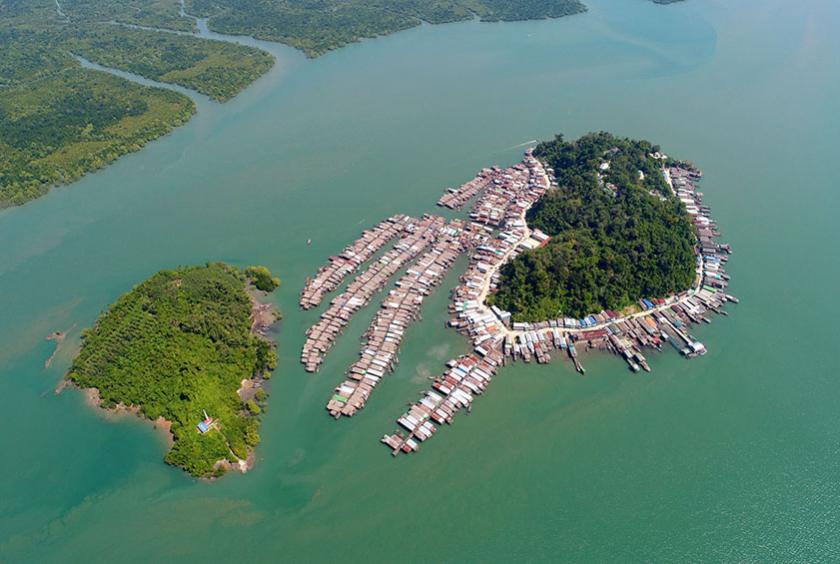 မြိတ်ကျွန်းစု ခရီးစဉ်အသစ်အဖြစ် ယခုနှစ်တွင် ထည့်သွင်းရေးဆွဲမည်ဟု ဆိုသော ကျောက္ကာကျေးရွာအား ဝေဟင်မှတွေ့ရစဉ်
PUBLISHED 7 NOVEMBER 2018 ဇော်မိုးဦး (မြိတ်)
FacebookMessengerTelegramViberEmail
ရေပေါ်တွင် ခြေတံရှည်အိမ်များဖြင့် ကျေးရွာတည်ထားသည့် ကျောက္ကာတံငါရွာ သို့ ယခုနှစ်တွင် မြိတ်ကျွန်းစုခရီးစဉ်အသစ်အဖြစ် ထည့်သွင်းရေးဆွဲကာ ခရီးသည်များအား ပို့ဆောင်ပေးသွားမည်ဖြစ်ကြောင်း မြိတ်ခရိုင် ခရီးသွားလုပ်ငန်းရှင်များအသင်းမှ တာဝန်ရှိသူများက ပြောကြားသည်။
မြိတ်ခရိုင် ပုလောမြို့နယ်အတွင်း ပါဝင်သည့် ကျောက္ကာကျေးရွာမှာ တံငါလုပ်ငန်းများဖြင့် အဓိကအသက်မွေးဝမ်းကျောင်းပြုပြီး ပင်လယ်အတွင်းရှိ ရေလယ်ကျွန်း ပတ်ပတ်လည်တွင် ခြေတံရှည်အိမ်များကို ရေပေါ်တွင် တည်ဆောက်ထားသည့် ကျေးရွာတစ်ရွာဖြစ်ကြောင်း သိရသည်။ ကျွန်းခရီးစဉ်များအပြင် စိတ်ဝင်စားဖွယ် ခရီးစဉ်အသစ်များ ရေးဆွဲရာတွင် တံငါသည်များ နေထိုင်မှု ပုံစံများကိုပါ လေ့လာနိုင်မည့် ကျောက္ကာ ကျေးရွာကို ခရီးစဉ်အသစ်အဖြစ် ထည့်သွင်းသွားမည်ဖြစ်ကြောင်း သိရသည်။
“မြိတ်ခရိုင်မှာ လေးမြို့နယ်ရှိတယ်။ မြိတ်၊ ကျွန်းစု၊ တနင်္သာရီနဲ့ ပုလောမြို့နယ် တို့ဖြစ်တယ်။ ကျောက္ကာကျေးရွာက ပုလောမြို့နယ် အပိုင်ဖြစ်တယ်။ ခရိုင်ခရီးသွားလုပ်ငန်းရှင်များအသင်းအနေနဲ့ လေးမြို့နယ် အတွင်းက ခရီးစဉ်တွေကိုရေးဆွဲရာမှာ အများအားဖြင့် ကျွန်းစုမြို့နယ်အတွင်းက ခရီးစဉ်တွေကို ခရီးသွားတွေ အသွားအလာများကြတယ်။ တနင်္သာရီဘက်မှာဆိုရင် ဓားသွေးချောင်း၊ နဂါးလှေပွဲတွေ ခရီးစဉ်အသစ်ဆွဲလာတယ်။ ကျွန်းစုမြို့နယ်ဘက်မှာဆိုရင် နဝရတ်ရေအိုင်စသဖြင့် လူအများ စိတ်ဝင်စားနိုင်တဲ့နေရာတွေ ရှိတယ်။ ပုလောမြို့မှာဆိုရင် ဘုရားခြေတော်ရာရှိတယ်။ ကျောက္ကာရွာက လေယာဉ်ပေါ်ကကြည့်ရင် ခရီးသွား စိတ်ဝင်စားကြတယ်။ လူမှုကွန်ရက်ကနေ ဆက်သွယ်ပြီး မေးမြန်းတာများလာတယ်။ ပင်လယ်ထဲမှာ ကဏန်းလက်မ ပုံစံရှိနေတယ်။ ရေလယ်ကျွန်းပေါ်မှာ တည်ထားတယ်။ ကျွန်းစုမြို့နယ်ထဲမှာ ကြတ်ချောင်းနဲ့ သဲချောင်းရွာတွေလည်း ရေပေါ်မှာအိမ်ဆောက်ပြီး နေကြတယ်” ဟု Mergui Dolphin မန်နေဂျာ ဦးမြင့်သန်းက ပြောကြားသည်။
မြိတ်ကျွန်းစုတွင် ခရီးစဉ်နှစ်ခုသာ ပြေးဆွဲနေကြပြီး ဒုံးညောင်းမှိုင်းအခြေပြုနှင့် လေးကျွန်းအခြေပြု ခရီးစဉ်များဖြစ်ကာ တံငါသည်များ၏ လူနေမှုဘဝနှင့် ရေပေါ်ကျေးရွာသို့ သွားရောက်လေ့လာနိုင်ရန် ခရီးစဉ် အသစ်တစ်ခု ထပ်မံရေးဆွဲရန်စီစဉ်ခြင်းဖြစ်ကြောင်း သိရသည်။
“ရွာဒေသခံတွေက ခြေတံရှည်အိမ်လေးတွေနဲ့နေကြတယ်။ အင်းလေးလိုပေါ့။ မြိတ်ခရိုင်အတွင်းမှာဆိုရင် နှစ်နေရာရှိပါတယ်။ ကျောက္ကာရွာနဲ့ ကြတ်ချောင်းရွာတို့ဖြစ်တယ်။ နိုင်ငံခြားခရီးသွားတွေနဲ့ ပြည်တွင်းခရီးသွားတွေ စိတ်ဝင်စားနိုင်တဲ့ အနေအထားရှိလို့ ခရီးစဉ်ဆွဲတာပါ။ ဒီနေရာက မြိတ်နဲ့လည်း အရမ်းနီးတယ်။ နာရီဝက်လောက်နဲ့ သွားနိုင်တယ်။ ဒါကြောင့် ဒီနေရာကိုရွေးချယ်ရတာပါ။ စျေးနှုန်းကတော့ မြိတ်ခရိုင်ခရီးသွားလုပ်ငန်းရှင်တွေ အစည်းအဝေးထိုင်ပြီးမှ အတည် ပြုနိုင်မှာပါ” ဟု Swel Taw Travels & Tours မှ ဒါရိုက်တာ ဦးအောင်ကိုဝင်းက ပြောကြားသည်။
မြိတ်မြို့မှရေမိုင် ၂၀ ကျော်သာကွာဝေးပြီး ကျောက္ကာကျေးရွာမှတစ်ဆင့် ပလမြို့နယ် ပါဒစက်တော်ရာခြေတော်ရာသို့လည်း သွားရောက်လည်ပတ် ဖူးမြော်နိုင်ရန်အတွက် ခရီးစဉ်များ စီစဉ်ရန်ရှိကြောင်း သိရသည်။အိမ်ခြေ ၁၀၀၀ ကျော်ရှိသည့် ကျောက္ကာ ကျေးရွာတွင် အိမ်ခြေတစ်ဝက်ခန့်မှာ ရေပေါ်တွင် တည်ဆောက်ထားခြင်းဖြစ်ပြီး တံငါလုပ်ငန်းများစွာကို လေ့လာနိုင်မည်ဖြစ်ကြောင်း သိရသည်။
 မှတ်ဖွယ်မှတ်ရာ စာပဒေသာ