

Example Irrigation project works in Uzbekistan involving a Myanmar Special Advisor Engineer of the World Bank
တွေးမိတွေးရာ
ရေးမိရေးရာ
ဆည်မြောင်းရေးရာ
စာပဒေသာ ( ၂ )
ကမ္ဘာပေါ်မှာ မြန်မာ အင်ဂျင်နီယာ
လူတော်ပညာရှင်တွေ ရှိနေကြပါတယ်
ကမ္ဘာဘဏ်မှာယနေ့ထိ
အကြံပေး အင်ဂျင်နီယာ အဖြစ်
ဝါရင့် စီနီယာ ပညာရှင် လုပ်ပေး နေဆဲဖြစ်တဲ့
ဆည်မြောင်းဆရာသမားတစ်ဦး
( ဒေါက်တာအုန်းမြင့်)
ပါဝင်လုပ်ပေးခဲ့တဲ့
ပြည်ပက ဆည်မြောင်းအလုပ်တွေထဲက
အောင်မြင်မှု ရလဒ် တစ်ခု ပေါ်လာတယ်
သက်ဆိုင်ရာနိုင်ငံက ပါဝင်ခဲ့သူကာယကံရှင်က
ကျေးဇူးစကားတွေဆိုထားတယ်
မိမိတို့ မိခင် ဆည်မြောင်းဌာနမှာ ရှေးယခင် က လုပ်ခဲ့ဘူးတဲ့ ဝါရင့်ဆည်မြောင်း အင်ဂျင်နီယာ ဆရာသမားကြီးက သက်ကြီးရွယ်အို အသက် ၈၀ ကျော်လွန် နေသည့်တိုင် ဆရာက ကမ္ဘာပတ်ပြီး
အလုပ်တွေ ပါဝင် ကူညီလုပ်ကောင်းပေးနေတုံးပါ
မြန်မာ ဆည်မြောင်းက ပြည်ပရောက်သွားတဲ့ဆရာ့သမားကြီး အတွက်
မြန်မာတစ် ဦး အနေနဲ့ရော
ပင်စင်စားမြန်မာဆည်မြောင်းသားတစ်ဦးအနေနဲ့ပါ
ဂုဏ်ယူ ကျေနပ်အားရ ဝမ်းသာစရာပါ ဆရာ
ကိုယ့်နိုင်ငံက ကိုယ်လူမျိုး တစ်ယောက်
ကမ္ဘာ့ဘဏ် ကဆည်မြောင်း အကြံပေး
ပညာရှငင်ကြီး တစ်ယောက်
မိမိတို့ရဲ့ မိခင်နိုင်ငံ ကိုယ်နိုင်ငံမှာ
နိုင်ငံတော် ဆည်မြောင်းအလုပ်တွေ
ဖွံ့ဖြိုး တိုးတက်ရေးမှာ လဲ
ကမ္ဘာ့ဘဏ်က ဝင်ပါ ကူလုပ်ပေးနိုင်ရင်
ဘယ်လောပ်ဝမ်းသာစရာကောင်းလိုက်လေမလဲ
နိုင်ငံတော်ပြည်အရေး
ရေအရေး ရေရေးရာ
ရေကိစ္စ ရေစီမံမှုတွေအတွက်
ဖြစ်စေလိုတာ
ကျန်တော့် ပကတိ ဆန္ဒ စေတနာပါ
ရန်ကုန်ကုန်မြိုတွင်း ၆ မြို့နယ် မှာ
ရေကြီးလျော့ပါးသက်သာစေရေးအတွက်
တစ်ခေတ်မှာ ကမ္ဘာဘဏ်က အထောက်အပံ့နဲ့
လုပ်ပေးနေကြဆဲမှာ
တိုင်းငံနိုင်ငံခေတ်ပြောက်းသွားလို့
မပြီးသေးတဲ့ လုပ်နေဆဲအလုပ်တွေ ဘာဖြစ်သွားပြီး
ဘယ် အခြေအနေရောက်ခဲ့လဲ မသိတော့ပါ
ခေတ် ၂ ဆက်မှာ မြန်မာ ရေပညာရှင် တွေပါဝင်တဲ့
ဝါရင့်စီနီယာ အင်ဂျင်နီယာအကြံပေးအဖွဲ့ AG Advisory Group တွေပါခဲ့တဲ့
နိုင်ငံတော်အဆင့် ရေအရင်းအမြစ် ကော်မီတီ NWRC National Water Resources Committee ရှိခဲ့ဘူးပြီး
နိုင်ငံ ရံ့ ရေရေးရာ ရေအလုပ်ရေစီမံကိန်း တွေမှာ
နိုက်ငံတကာ ပညာရှင်တွေနဲ့ အတူ
ပါဝင်ပြောဆို အကြံ ပြု ခွင့်ရခဲ့ကြတယ်
မျိုးရိုးစဉ်လာ
မြန်မာတွေအများစုက
လူညံ့မျိုးတွေမဟုတ်ကြဘူး
မှတ်ပါတယ်
အေးမြင့် ( ညောင်တုန်း)
Former NWRC / AG member
5-8-2023
ရည်ညွှန်းစာ ၁ ။
Dinesh Shrestha Facebook post ( 3-7-2023)
ရ ည်ညွှန်း စာ ၂
NextNext Seriesfocus
Why Uzbekistan is hoping gravity will help solve its irrigation issues
ဆက်စပ် ရည် ညွှန်း စာများ
ရည်ညွှန်းစာ ၁ ။
Dinesh Shrestha Facebook post ( 3-7-2023)
It gives satisfaction to see the irrigation project in south Karakalpakstan, Uzbekistan providing services to people. About 15 years before, I was involved in first phase of this project and built on-farm, inter farm collectors and main drains to connect with Aral Sea and irrigation and drainage development for 100,000 ha in Ellikala, Beruniy and Turtkul districts under Drainage, Irrigation and Wetland Improvement Project (DIWIP) funded by the World Bank. I supported in the feasibility stage of South Karakalpakstan Water Resources Management Improvement Project (second phase). Sincere thanks go to then Project Director (Mr Bakhtiyar Yusupov), Deputy Minister and Now Minister HE Dr. Shavkat Khamraev, Ministry of Agriculture and Water Resources ( now Ministry of Water Resources), Ms Mahwash Wasiq and Mr IJsbrand H. de Jong ( both TTL, World Bank) and Dr. Ohn Myint (special adviser of the World Bank) and MMP project director Mr. John Pavey.
ရ ည်ညွှန်း စာ ၂
Why Uzbekistan is hoping gravity will help solve its irrigation issues
In partnership with
By Galina Polonskaya
Published on 27/07/2023 – 18:00•Updated 28/07/2023 – 16:12
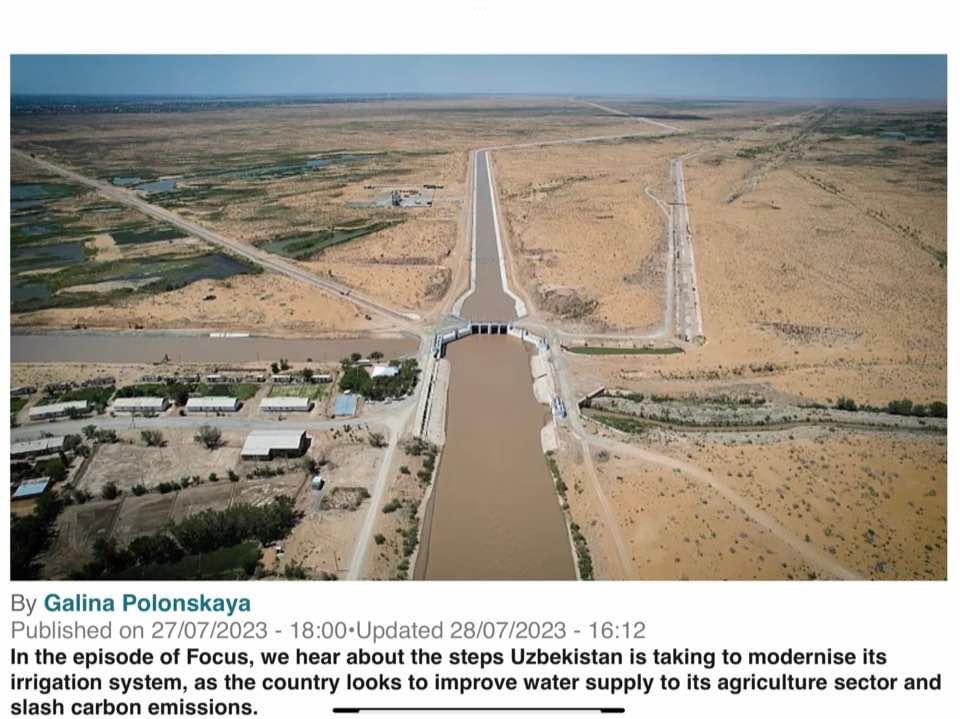
In the episode of Focus, we hear about the steps Uzbekistan is taking to modernise its irrigation system, as the country looks to improve water supply to its agriculture sector and slash carbon emissions.
Uzbekistan is modernising its regional irrigation system to improve water supply to the agricultural sector.
In South Karakalpakstan, gravity is now being used instead of electric pumps to irrigate the fields. A recent major infrastructure project is also drastically reducing the loss of a major resource – water.
The Bustan Canal is a major water artery. Before its reconstruction, it was an earthen canal, and seepage was a major problem.
“You can see yourself: here are dunes and sands. Around 50% of the water went into the soil,” said Project Manager Azat Serjanov. “Therefore, we decided to concrete the canal.”
Water enters through the Right Bank Canal from the Tuyamuyun reservoir, which is located on the territory of neighbouring Turkmenistan.

Azat Serjanov, project managerEuronews
The Bustan Canal is connected by a network of secondary canals. Their total length is more than 800 kilometres, and they’ve all been reconstructed as part of a project which covers three regions and 100,000 hectares of agricultural land.
Betting on renewables: can Kazakhstan become carbon neutral by 2060?
Uzbekistan attracts foreign investors thanks to extensive government reforms
“Here we felt an acute shortage of water resources. 35,000 hectares of irrigated land have been taken out of circulation,” revealed Shavkat Khamrayev, the Republic of Uzbekistan’s Minister of Water Resources.
“We concrete canals, reduce seepage losses, increase the efficiency of irrigation systems, and save about 300 million cubic meters of water by reducing losses and putting these agricultural lands back into circulation.”
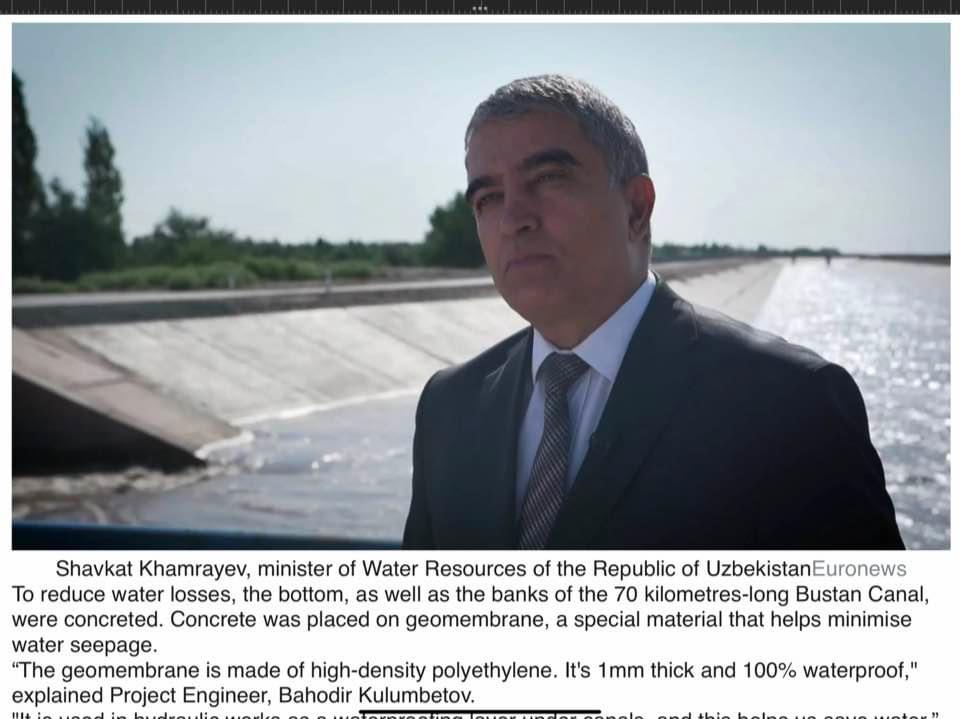
Shavkat Khamrayev, minister of Water Resources of the Republic of UzbekistanEuronews
To reduce water losses, the bottom, as well as the banks of the 70 kilometres-long Bustan Canal, were concreted. Concrete was placed on geomembrane, a special material that helps minimise water seepage.
“The geomembrane is made of high-density polyethylene. It’s 1mm thick and 100% waterproof,” explained Project Engineer, Bahodir Kulumbetov.
“It is used in hydraulic works as a waterproofing layer under canals, and this helps us save water,” he added.
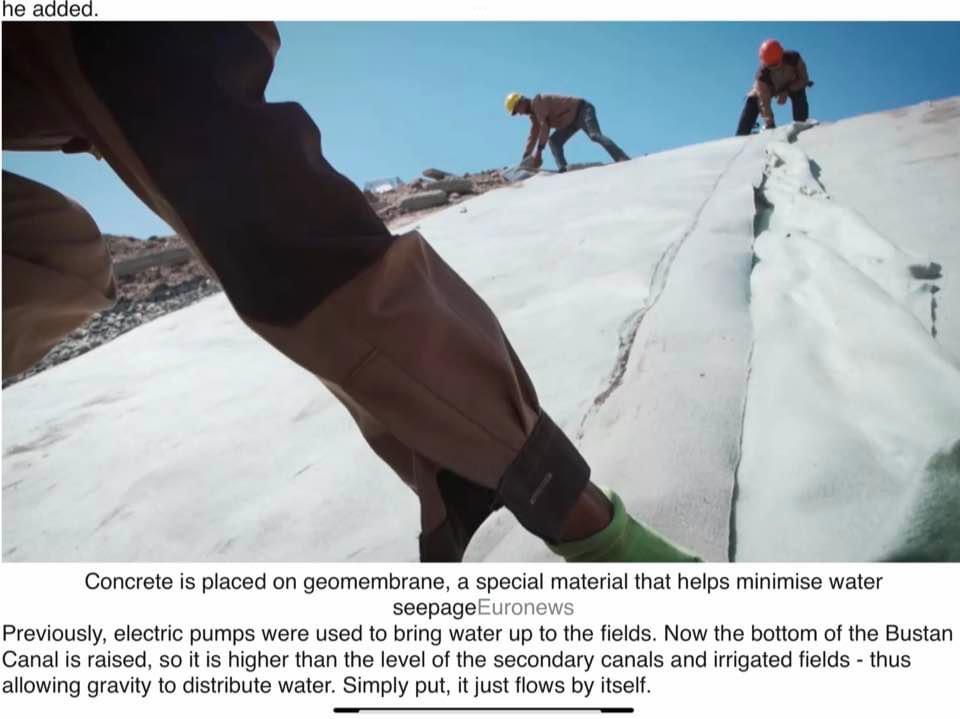
Concrete is placed on geomembrane, a special material that helps minimise water seepageEuronews
Previously, electric pumps were used to bring water up to the fields. Now the bottom of the Bustan Canal is raised, so it is higher than the level of the secondary canals and irrigated fields – thus allowing gravity to distribute water. Simply put, it just flows by itself.
This allows the state and the farmers to save around $3 million on electricity annually.
“We are removing more than 400 farm pumps, as well as 20 small and three large pumping stations, which are operated at the expense of the state budget,” Shavkat Khamrayev told Focus. “Thus, we reduce the emission of CO2 greenhouse gases – we reduce 36,000 cubic meters of gas.”
Water gates: Helping farmers cut costs and boost production
We visited a farm that grows fruits in the Ellikalla region, on one of the secondary canals, to see how gravity is used in action.
Farmer Muzafar Saparboyev just has to open this gate when he needs to water his garden.
1600 such water gates have been installed across the secondary canals in South Karakalpakstan.
Muzafar says that his farm has saved €6000 on electricity in one year and explained the benefits of the project.

Muzaffar Saparbayev, FarmerEuronews
“The ground on our farm was levelled with a laser as a part of the project, and it allowed us to boost productivity, so our income is increasing,” he said “The speed of the water flow has increased significantly compared to last year.”
Land levelling saves water that would otherwise be wasted in uneven fields, and increases yields.
It is one of the elements of the vast South Karakalpakstan Water Resources Management Improvement project, which also aims to increase the productivity and sustainability of agriculture in this water-scarce region close to the Aral Sea.
The total cost of the project implemented by the government with the support of the World Bank is $374 million.
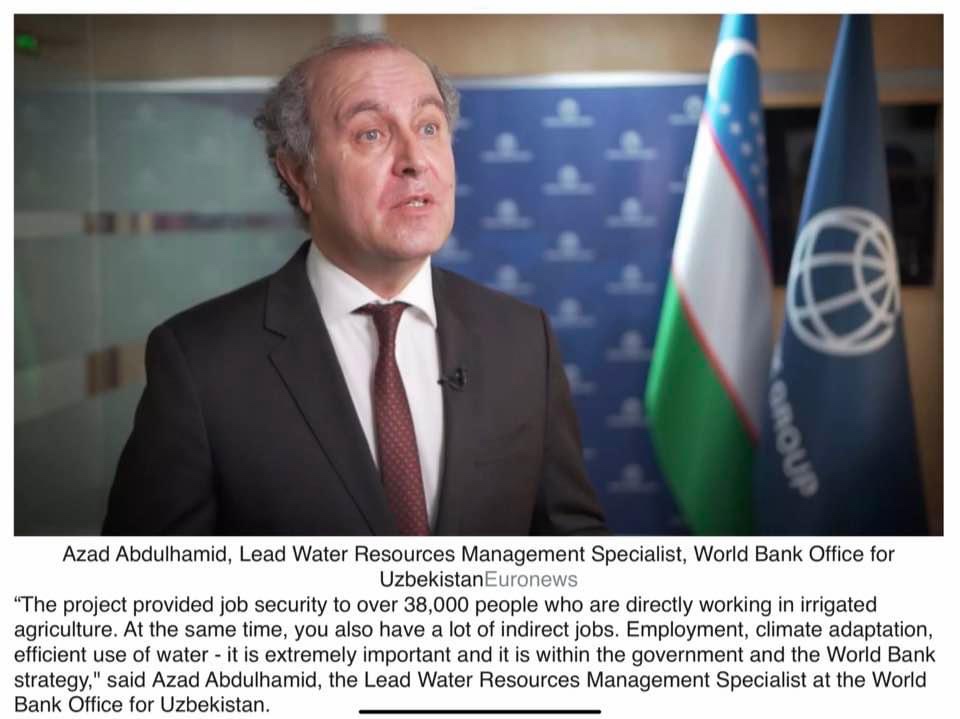
Azad Abdulhamid, Lead Water Resources Management Specialist, World Bank Office for UzbekistanEuronews
“The project provided job security to over 38,000 people who are directly working in irrigated agriculture. At the same time, you also have a lot of indirect jobs. Employment, climate adaptation, efficient use of water – it is extremely important and it is within the government and the World Bank strategy,” said Azad Abdulhamid, the Lead Water Resources Management Specialist at the World Bank Office for Uzbekistan.
The strategy of the state is to apply the modernised management of water resources to the whole country, making farming – one of Uzbekistan’s main employment sectors – greener and more resilient to the problems caused by climate change.
Share this article
 မှတ်ဖွယ်မှတ်ရာ စာပဒေသာ